
OR, LUSH GARDENS IN THE MOUNTAINS AND FABULOUS ARTEFACTS

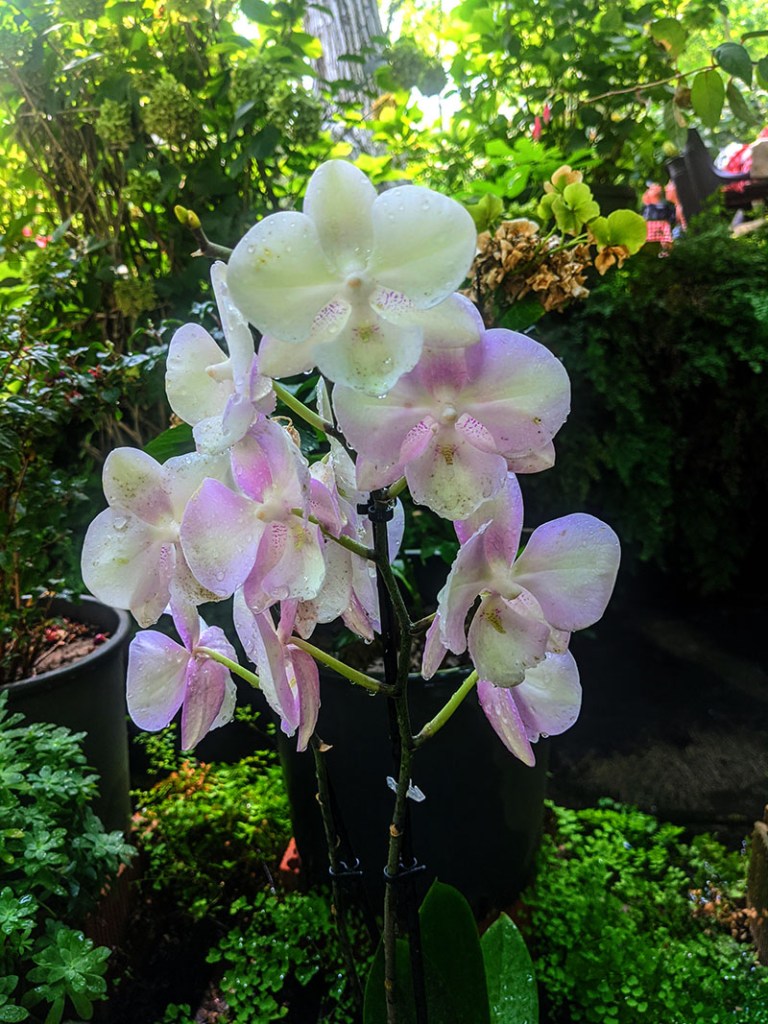
I made it the other day to my paradise and was exulted to breathe that clean mountain air again and drink water from the mountain spring. After being here in winter the garden had developed into a jungle of flowers (especially orchids), herbs, vegetables and fat fish swam lazily in their pool unaware that for some it would be their last day before being cooked!


The family gave me such a welcome that it brought tears to my eyes. I had been gone so long! A great fuss was made of me which made me very happy indeed. My pals were very impressed too! It looks like I’ll be squeezed into a cabin there as I’m family!

The viewing of my garden was a shock. It was so overgrown with thick waist-height thistles after all that ploughing the farmer did for me! Not really unsurprising as I was due back months ago. When I go back to stay there I’ll concentrate on piling the stones for rebuilding and the roof tiles, neatly in piles and just do a bit of tree pruning. I’ll sweep up and clear the two top terraces and keep my seeds until next season. I’m keen to use a machete like a mad woman for any dense bits and will look out for my turtle too. I want them to see that the mad English woman is a hard worker!

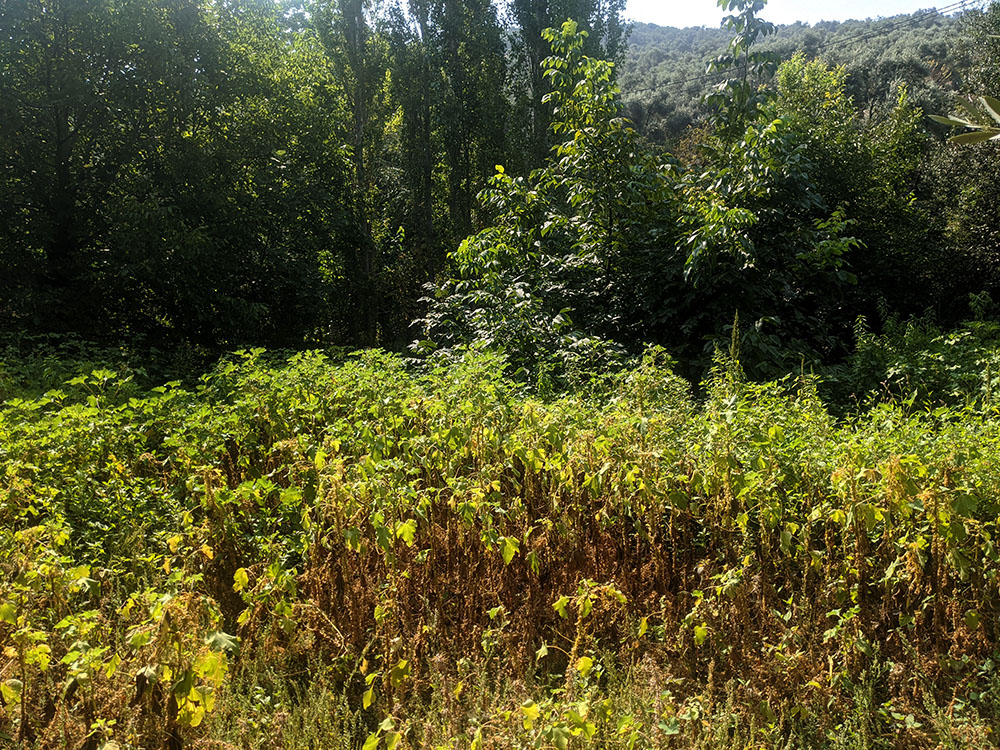
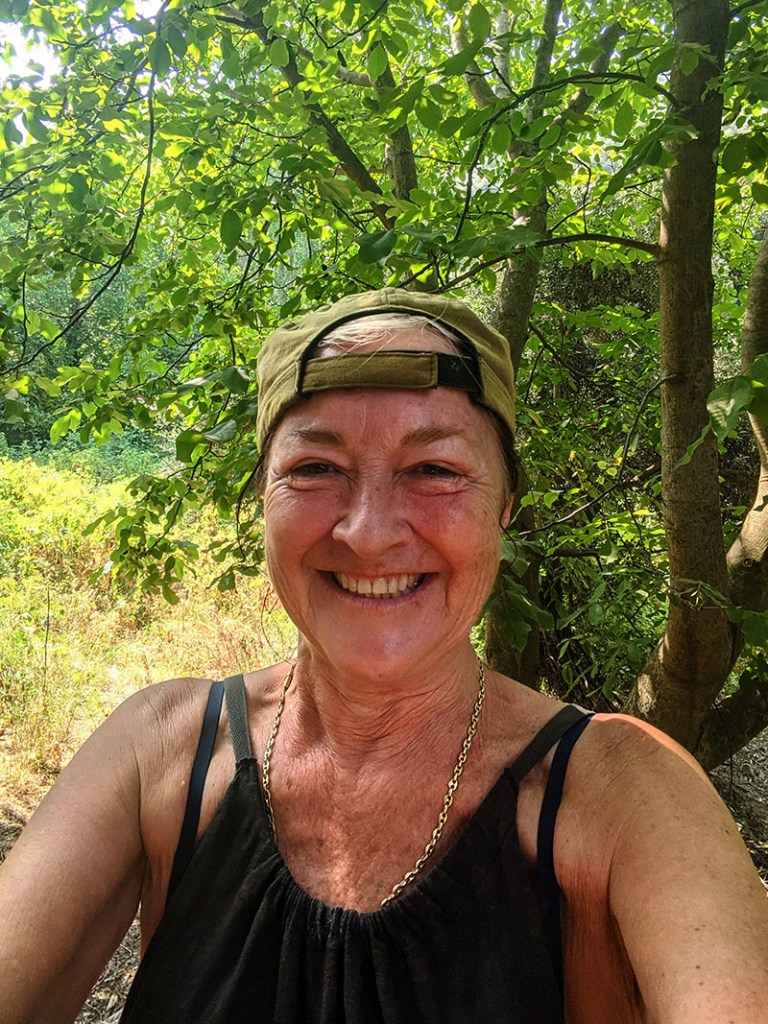

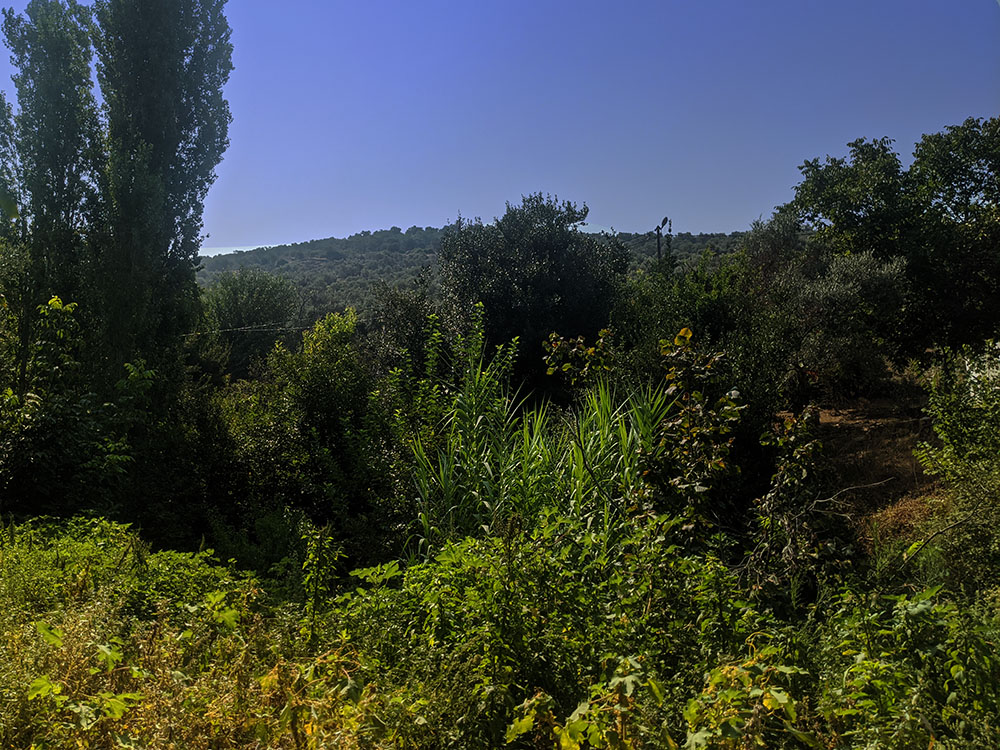
The country people are so welcoming and kind, always offering to help and the air is so clean up there after being in town. Mostly you just see tractors rather than cars on the road so it’s great for a wanderer like me and that mountain spring water is so pure. Even a cup of tea tastes amazing and, well, fresh!
AYDINS ARCHAEOLOGICAL MUSEUM.

Yesterday I went on a bit of a trek to see more of the history of that area. I got a lift from Boomerangs owners who were going up in that direction so I had a bit of luxury after my usual minibuses! Later my trip would be more tricky as the museum is about 8 km from the bus station! I had to take a bus that winds all through the neighbourhoods just to get to the bus station. I love a bit of a detour! The things I saw were a good mixture and there’s a whole section on coinage but as it’s not really my thing I casually bypassed it.


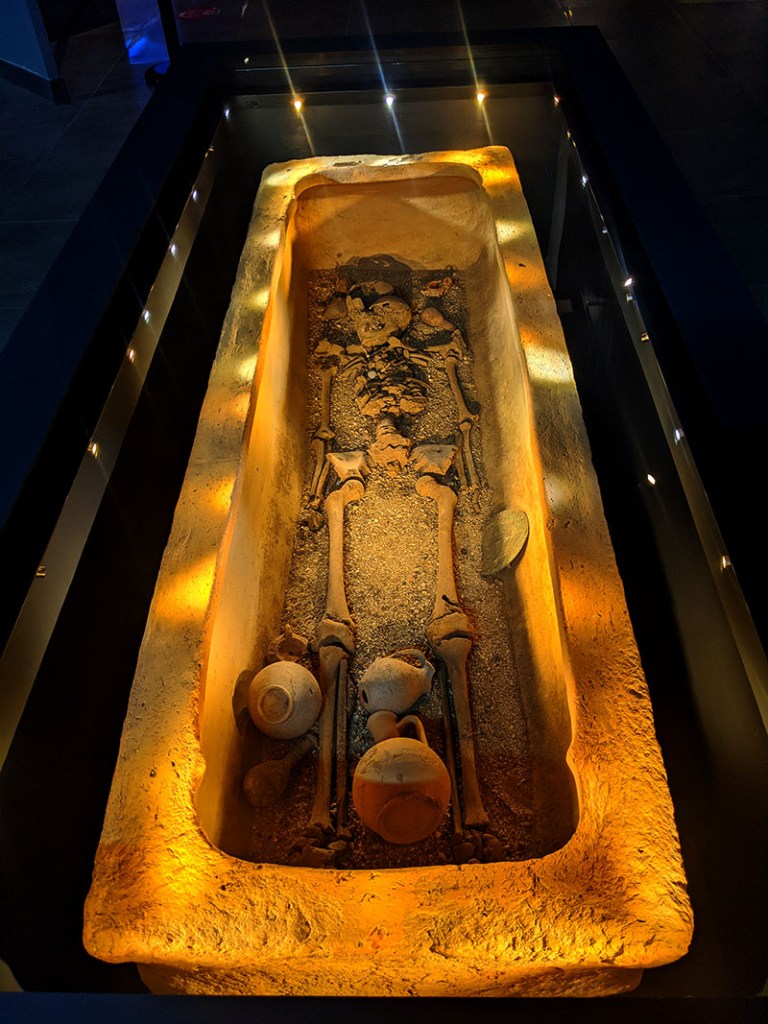


Walking around these places people always go for the big showy pieces but I like to look at the earliest simple ceramic pieces. If they’re a little cruder that’s all the more poignant. Some ancient hands mixed some water with earth to make their clay and model something visible in their daily life, then left it maybe bake in the sun or sometimes fire it. Bits of wood whittled, soft stone carved and even bone for the more advanced items. The first metal castings were also cruder, like the important ‘souvenir’ of the showcased Hittite man (see section below)

There’s also a large garden outside with a variety of pieces where you can sit under a tented area and ponder the ancients
ABOUT SARCOPHAGI…

Sarcophagus
Sarcophagus is derived from an old Greek word “Sarkophagos”. It is named Soros or Larnaks in the statements of Homer. Sarcophagus is a special funeral receptacle for a corpse made of terracotta, stone, wood, and marble and it is generally decorated. The stone sarcophagi with reliefs which first appeared in the 5th century B.C. were built by the Greek masters for the kings of Sidon. Sarcophagi called as old Lycian type which existed in the 4th century B.C. are narrow and long in proportion having gable-shaped lids with ridge tiles. They appear either as a copy of a wooden building forming a construction or a simple chest in shape. Hellenistic sarcophagi are the sarcophagi with triangular roof with lid in Hareon style. Two types of sarcophagi in Pamphylia and Sidemara type developed in the Roman age. The lids of Pamphylia-type sarcophagi are in the form of a roof with a triangular pediment. The body of this tomb was decorated with garlands and reliefs belonging to the dead. The lid of Sidemara-type sarcophagi is in the form of a bed. While the reliefs of the deceased and his wife (if there was) were in pose lying above the sarcophagus, the scenes belonging to the deceased, the god figurines, temple illustrations, and medallion reliefs were depicted on the body.
There was more heavily carved imagery upstairs, in the form of friezes for a temple. The Elgin marbles if you will of that area. By the way, when are the British Museum going to give back all their stolen items? Someone sent me an article yesterday about a police investigation into more than two thousand pieces being nicked from behind the scenes there. It seems academia and the elite just can’t stop themselves from thieving. I also wonder how many pieces in their archives hidden from the public are copies? This would be an easy thing to do with the technology these days for things to be replaced with the originals out there on the black market? See the article below:
ABOUT PAN….

Pan
Pan, the Greek god of the wild, shepherds and flocks is recognized as the son of Hermes, the God of the shepherds of Arcadians, and Dryops, or Hermes and Penelope’s son, sometimes the son of Zeus and Callisto or Zeus and Hydreis. According to Homeros, he cheered up all the gods and goddesses so he was given the name “Pan” which meant “all”. After his birth, Pan grew up quickly and his mother was scared to death after seeing him and ran away. However, Hermes took him to Mt. Olympos to entertain the gods, especially Dionysos. Pan who was the god of the Arcadians during the early periods spread to the whole Aegean world in time. Pan, the god of flocks, not only protected the flocks of the wild and domestic animals but also he was a hunter and the hunters owed their success or failure to him. As the god of pastoral life, he was keen on music and he played the pipe or the syrinx (pan flute) which bears his name. Pan is portrayed as a sensual being with a different body. Pan was depicted with goat’s feet, horns of a goat, and a small and tilted nose and sometimes in the act of dancing.
BRONZE AGE ART…

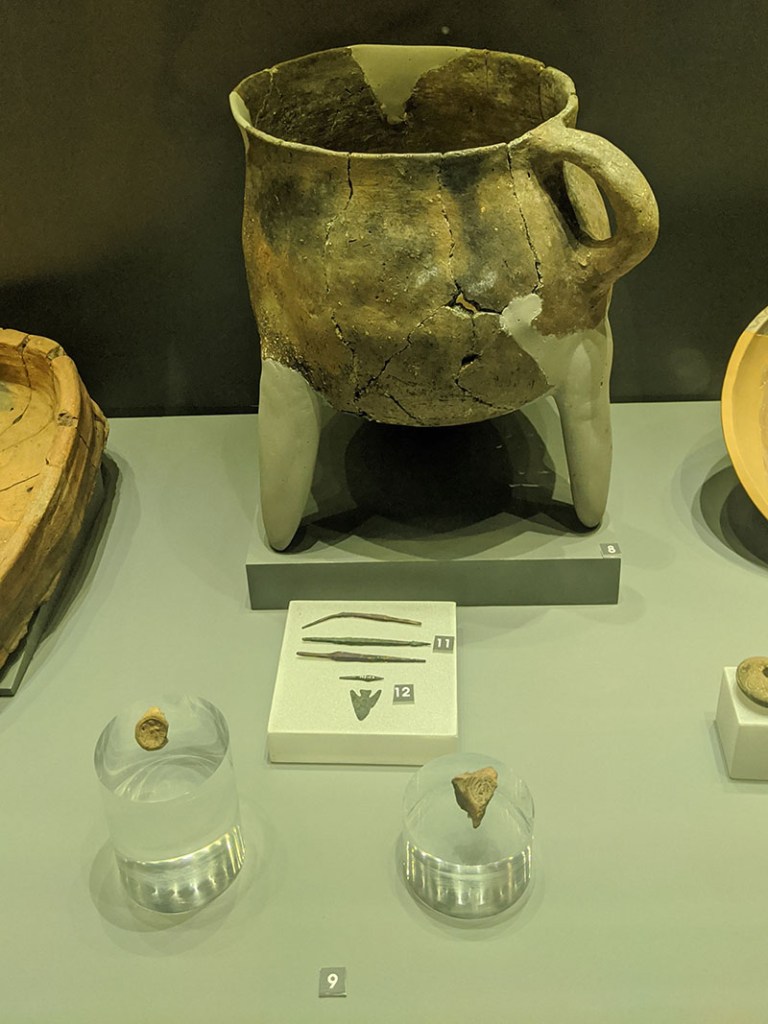
Kadikalesi / Anaia The wares found during the excavations reveal that the first settlements on the mound went back to Late Chalcolithic Period (4000-3000 B.C). The bronze Hittite figurine uncovered in 2002 is important to show that Anaia was an important place in the 2nd millennium B.C. in the relationship between Hittite and Mycenae. The life in Anaia related to the Greek colonization which started in 1050 B.C. was understood from the intensively unearthed Proto-geometric wares. Besides these findings from the excavations, the existence of Orientalisation, Archaic, Classical, Hellenistic, Roman and even Eastern Roman Periods were understood from the finds obtained during the exploration and excavations in Anaia.


Top Tip: If you need a great guesthouse in Selcuk you should stay at Boomerang. It’s right by the museum and over the road is the bus station that I’ve been depending on. Ephesus is around the corner too. It has a cool courtyard to relax in and food and drink. http://www.boomerangguesthouse.com


So today I packed up and pissed off. No more kipping on the floor for me I’m off to my paradise in the mountains!

 Old Bird Travels Solo!