
OR, HOW I FOUND MY MATE ELIF FROM KENT MUSEUM BUSILY STARTING THE ZEYBEK MUSEUM UP THE ROAD!

NEVER TIRED OF TIRE!
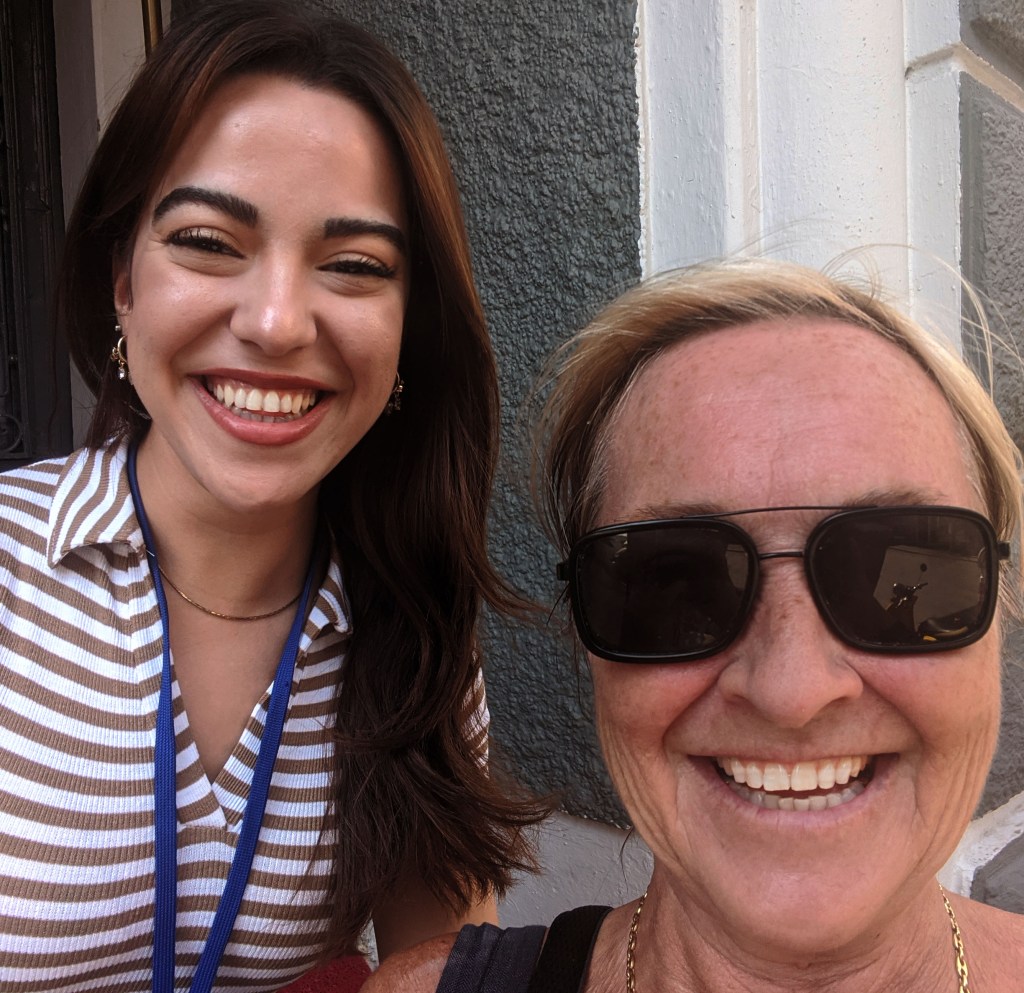
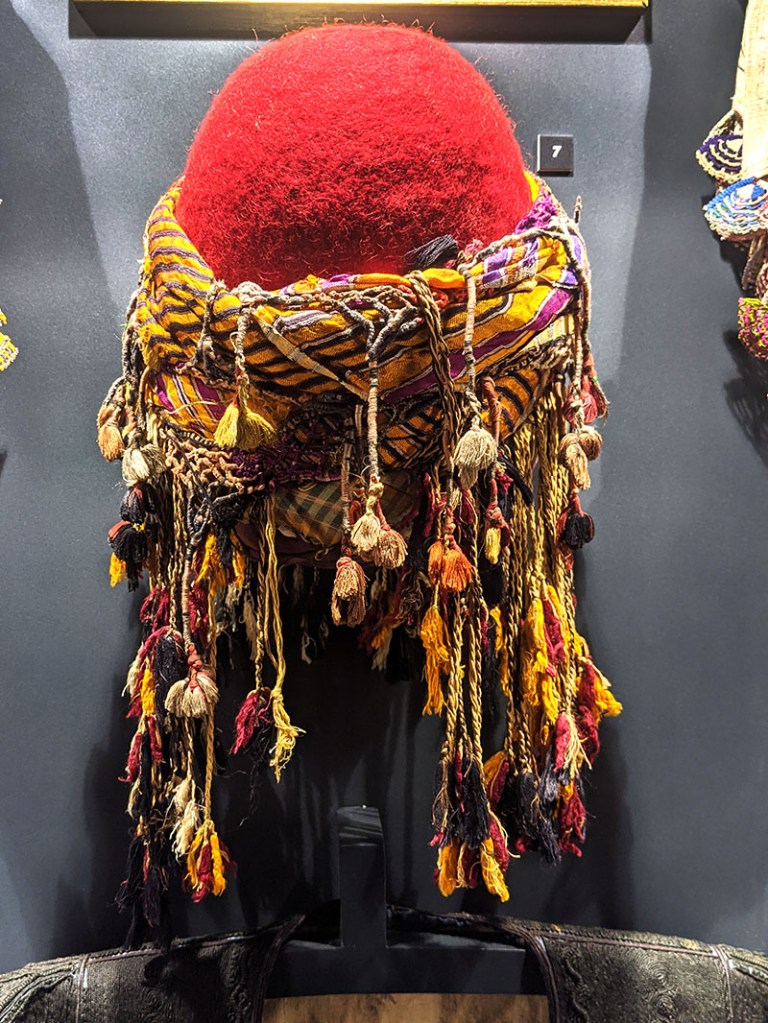
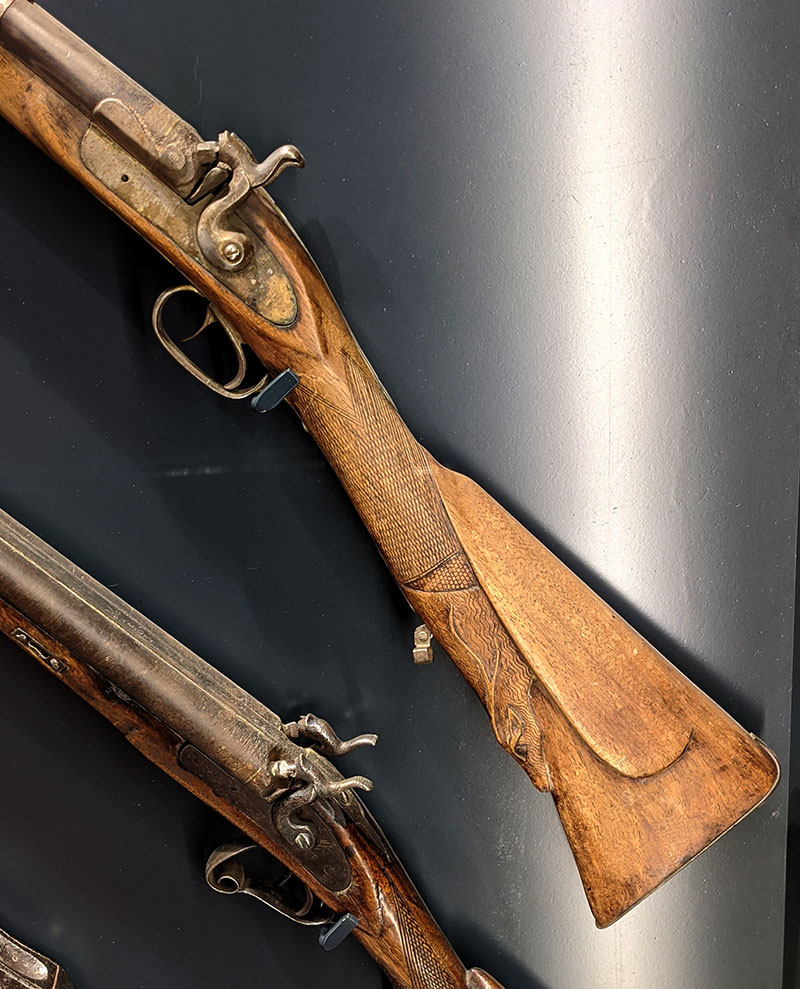
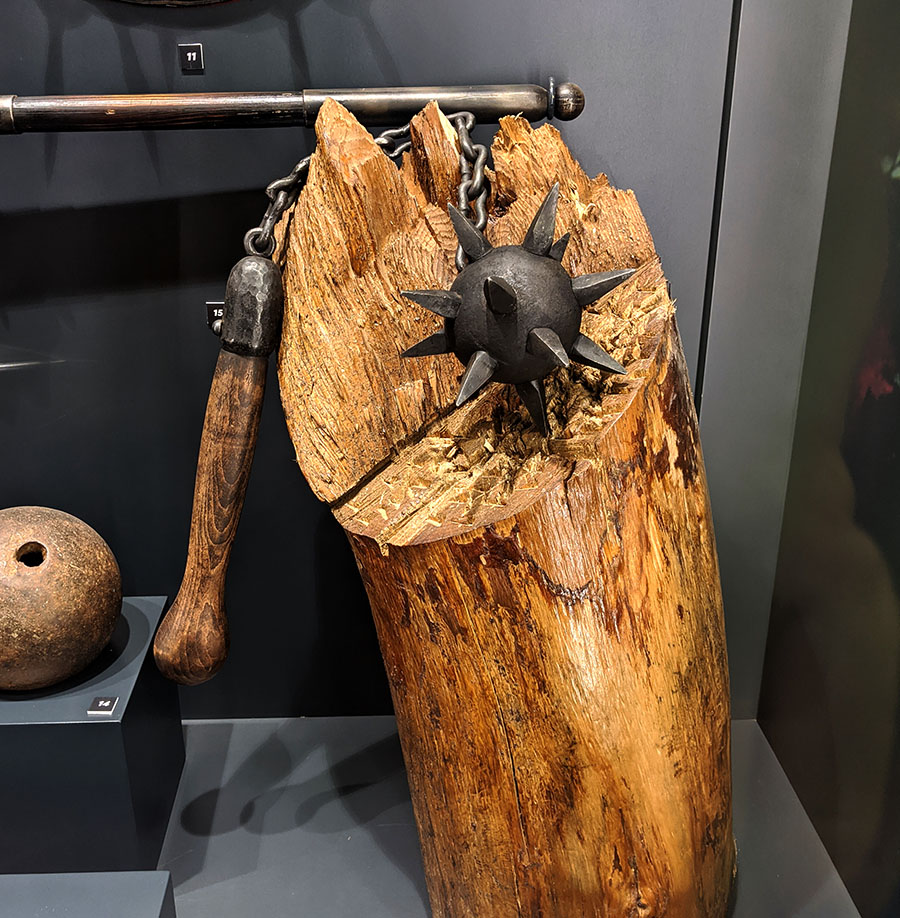
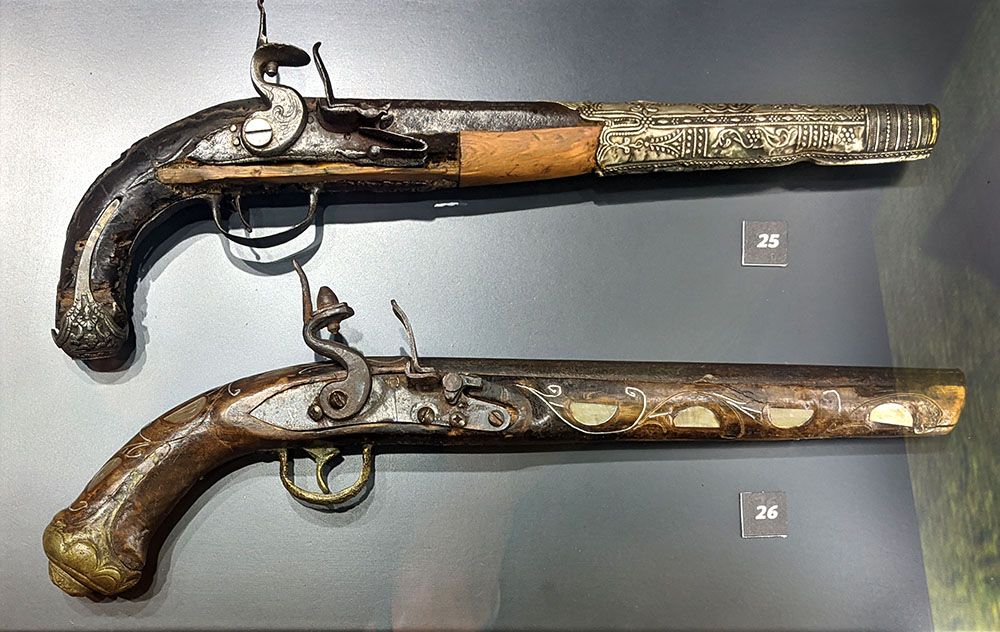
This beautiful old house has a collection of historical artefacts running through from approximately the 16th century up to the era of Attaturk. Its proud history has been well-curated and was an eye-opener to me! Strong and wily people the Zeybeks are worth a good look at and you can clearly see the resistance of the ancestors in those who live here now. I must add that I also said to Elif, that a lot of the showcases and items had the aura and feel of the Mexican bandits of old. She agreed. The anecdote about the purple bolero in the womans showcase was also hers.
Apparently, if a woman was beaten by her husband she would don that purple bolero as a sign for the rest of the village to shame him and also give him a beating. Sounds a very good plan!

All descriptions below are from the museum itself. Available on pdf.
ZEYBEKS İN THE EARLY PERİOD: SEA AND LAND LEVANTS (Strong And Big People)
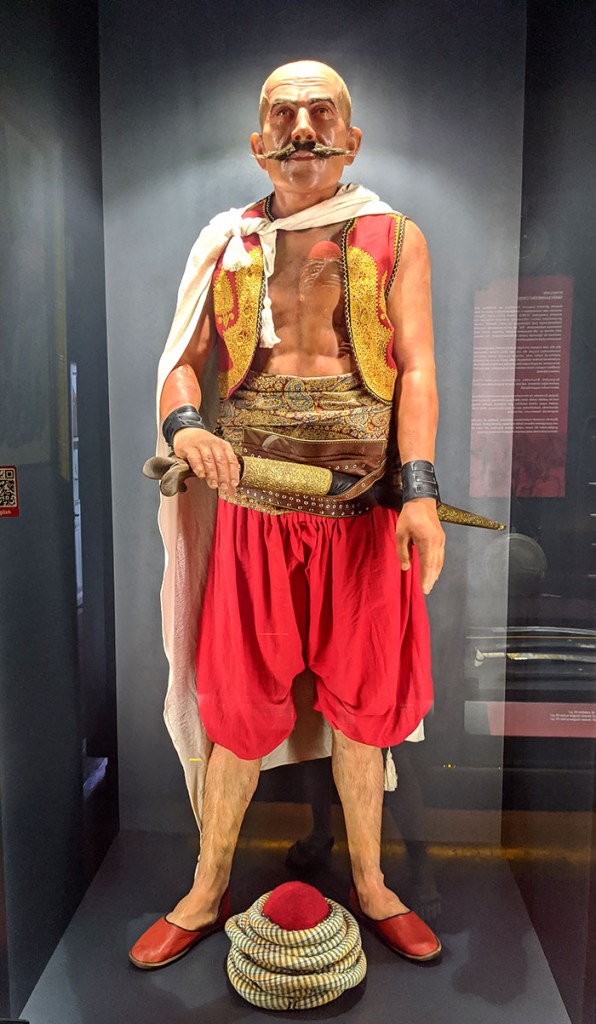
Zeybeks; It is a military organization and a cultural phenomenon extending from the Southern Marmara to the Taurus Mountains and from the Aegean Islands to Central Anatolia. Spread over a very wide geography, zeybek is one of the most important folkloric values of the Turkish culture.
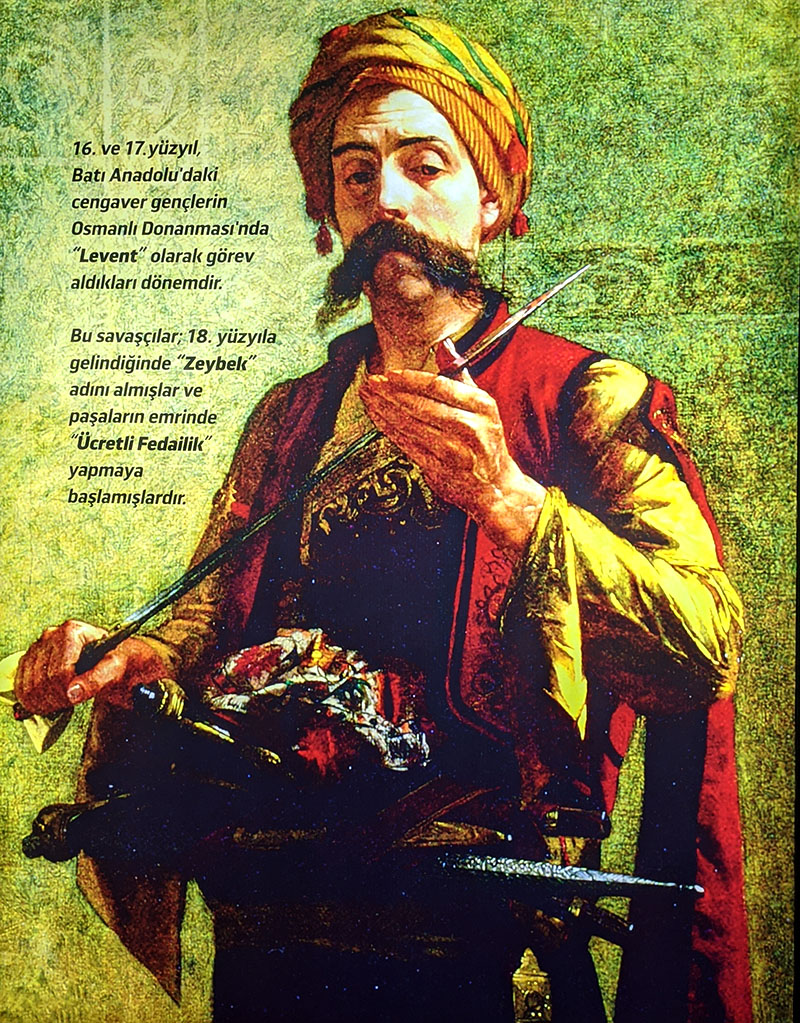
Zeybeks; In the dictionaries of the Ottoman Period, generally “living in the mountain areas of Western Anatolia; The sequence of events that led to the definition of “mercenaries with their fearful appearance, light weapons, their own clothes, and who are held responsible for the security and protection of the roads,” and which led to the emergence of this elite warrior group, is based on some military, administrative and social developments since the 16th century.
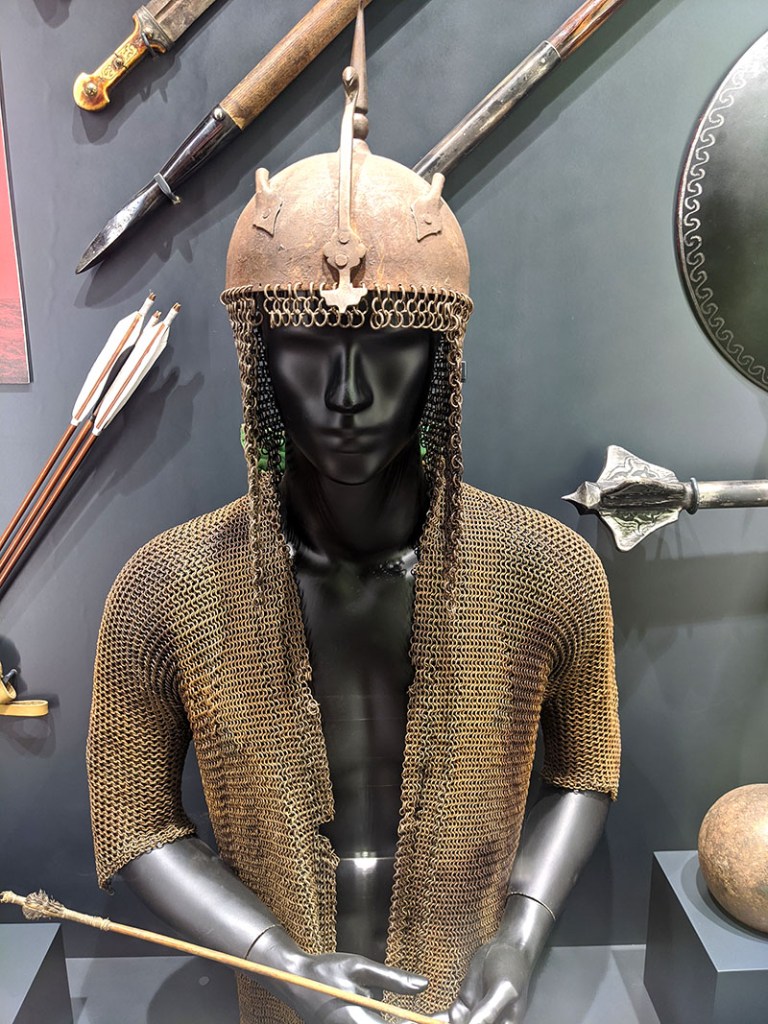
Western Anatolian levents, the predecessors of Zeybeks; were included in the Ottoman Navy when the Mediterranean turned into a Turkish lake thanks to the famous Turkish sailors such as Kemal Reis, Hızır Reis (Barbaros Hayrettin), Oruç Reis and Turgut Reis. Young people from Izmir, Aydın, Denizli, Manisa, Muğla, and Balikesir; Together with the experienced Ottoman chiefs at their head, raided North Africa, Spain, Italy, France and the Adriatic coasts and defeated Europe’s most famous admirals. At the same time, those who preferred to race on land, swing swords and shoot rifles instead of sailing were sent to the difficult Austrian and Iranian fronts as mercenaries through the pashas and influential families. During the military duties they undertook, they were described as representing a duty or praise such as “valiant, levent, sekban, tall-proportioned, strong-willed, prudent, guard and rifleman”.

ZEYBEKS AND THE STATE IN THE LAST CENTURY OF THE EMPIRE
Some of the efes who participated in the wars with their Zeybeks and returned to their villages after completing their duties, they soon formed gangs and took the mountain road again due to the shaking of the internal and external balances of the state. Some of them were appointed by the state as “rural serdarant” (civilian gendarme sergeant). According to this duty, talented efes, together with their Zeybeks, were pardoned and taken to the state service and were assigned to follow the gang in return for their salary. Çakırcalı Ahmet Efe, Bakırlı Mehmet Efe, Koca Cerit Mehmet Efe, Yörük Osman Efe and Küçük Cerit Mehmet Efe are just a few of the famous Zeybek chiefs who were held responsible for the maintenance of the public order in this period.
In the 1880s although an attempt was made to establish a relationship of interest between the Ottoman administration and the Zeybeks, some harsh practices caused the system in question to deteriorate. By the beginning of the 1900s, due to the economic and social problems of the Ottoman Empire and the long-lasting wars, the order was deteriorated as much as possible and the number of Zeybeks in the mountains increased. Famous Zeybek chiefs such as Çakırcalı Mehmet Efe, Köselioğlu Mehmet Efe, Kamalı Mustafa Efe, Çamlıcalı Hüseyin Efe, İnce Mehmet Efe, Gökdeli Mehmet Efe and Ali Molla; They had almost captured the mountains of İzmir, Aydın, Manisa and Muğla. Moreover, thanks to the Izmir newspapers and foreign traders called Levantines, the Zeybeks became much more well-known nationally and internationally.
BRAVE FEDAI OF THE OTTOMAN ARMY: IRREGULAR ZEYBEKS
Due to the moves of the Ottoman administration to increase the central authority in the provinces, the Zeybeks stopped making sacrifices in the service of the pashas from the 19th century and started to be employed directly by the state. The reasons why they were so popular in the military sense were that they were accustomed to mountain life, were able to use weapons at a skilful level, and knew dangerous places to ambush, paths to escape, and caves to hide.
Zeybeks are called “irregular” because they are constituted as irregular forces; They suppressed the revolts in the Balkan Lands, and also participated in the Ottoman-Russian War of 1828-1829 and the Crimean War of 1853-1856. Zeybeks, who are highly appreciated for their outstanding service on the fronts; By the order of Sultan Abdulaziz in 1865, they were included in the military formation called “Fırka-i Islâhiyye”. The Zeybeks, who ensured the rehabilitation of the rebellious tribes in Southeast Anatolia, were praised by the famous statesman Ahmet Cevdet Pasha for their success during these duties:

”The Zeybeks are a beautiful lineage of the Turks, which does not avoid danger and conflict, does not get tired, does not get tireless, and was created like it was for the military service.”
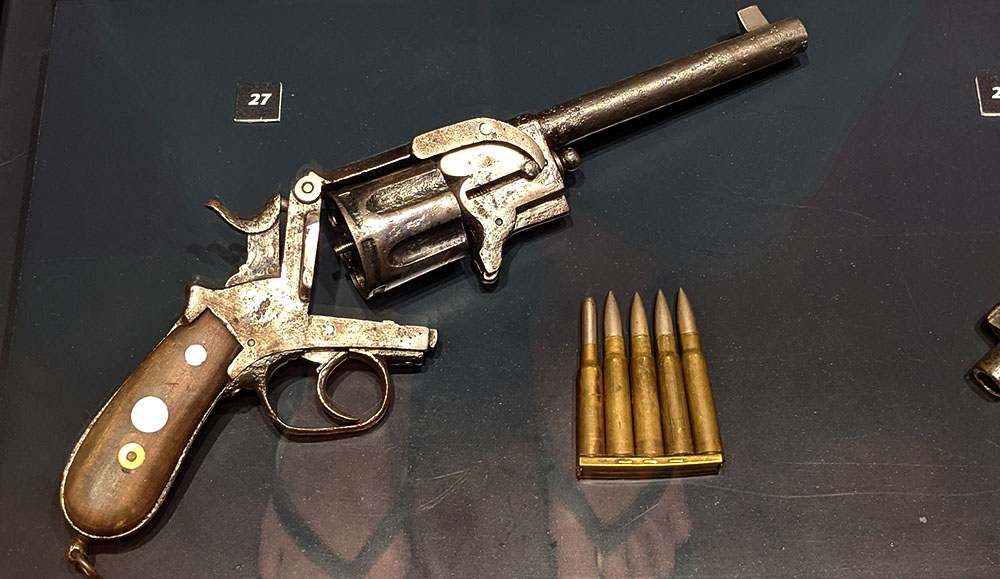
The medium in which the Zeybeks had the opportunity to show their military skills the most was the 1877-78 Ottoman-Russian War (93 War). The units called “Zeybek Battalion” were recruited from May 1877 until the end of the war; They undertook attrition and defense tasks such as reconnaissance, intelligence, raid, ambush, sabotage and security on the Balkan and Caucasian fronts.
AFRO ZEYBEKS
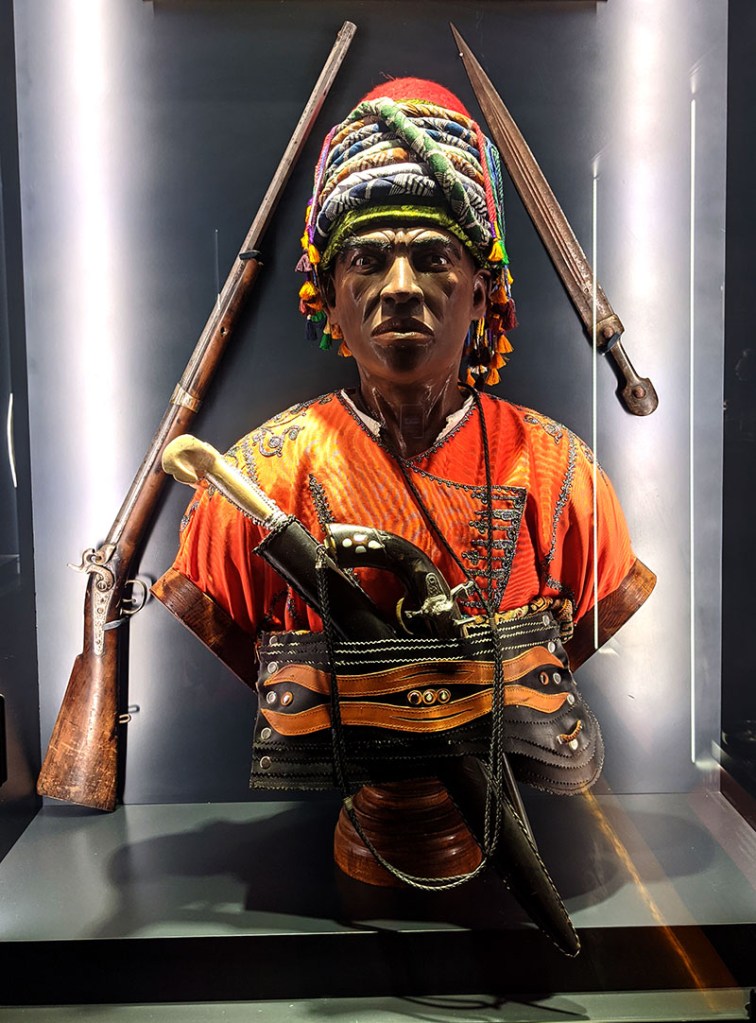
After the Ottoman Navy conquered North Africa in the 16th century, many African youths were brought to Istanbul and Izmir by ships, and from there they were transferred to settlements with dense agricultural lands. This demographic flow that lasted for centuries; He especially increased the number of Africans in Western Anatolia. While African women in Western Anatolia worked as servants in Islamic households, men tended to work as labourers, clowns, shepherds, guards, and night guards. In this process, a significant number of freed or fugitive African youths also saw the mountain road as a more attractive option to join a gang. Thus, a group called “Afro Zeybek” emerged in the Zeybek folklore. Afro groups concentrated in Torbalı, Tire, Ödemiş, Bayındır, Selçuk, Salihli and Dalaman were described as “Arabs” because they were brought to Western Anatolia through Arabian lands in the last centuries. Gereli Efe’s chief Zeybek Fingerless Arap and Yörük Osman Efe’s chief Zeybek Koca Arap are among the famous AfroZeybeks.
BLACK DAY OF THE TURKISH NATION:
INVASION OF IZMIR (15 MAY 1919)
The Ottoman Empire suffered heavy losses in the First World War, in which it was
included in October 29, 1914, and withdrew from the war with the Armistice of
Mondros, that was signed in October 30, 1918. However, Article 7 of the Armistice;
that is, the phrase “The Entente Powers have the right to occupy any strategic place in the event of a situation threatening their security” gave the victorious states an opportunity to occupy the entire country.
Allied Powers, which shared the Ottoman lands among themselves with secret
agreements were made before the war was completed; They had promised Izmir to Greece, which they used as a pawn. Greece, which had dreams of realizing the
Megali Idea (Great Idea of Greece) since its establishment, did not miss this
opportunity and started preparations for the invasion with all its might. As a result, the Greek Occupation Forces, consisting of eighteen ships under the command of Commander Zafiros, landed in Izmir on May 15, 1919, at 07.30 in the morning, in front of the Hunters Club at Punta Pier. The landing, which started under the “zito” (longlive) cries of the local Greeks, was completed within two hours.
All three regiments, which the Izmir Metropolitan Chrysostomos had personally
blessed and provoked to shed blood, took action to occupy the positions assigned to them. The movement in question brought with it great massacres. So much so that in the first forty-eight hours of the occupation, the number of Turks killed in and around Izmir they had exceeded two thousand. Ali Orhan (İlkkurşun) Bey, one of the leading figures of the resistance movement in the Küçük Menderes Basin, described what he experienced and saw on the day of the occupation as he follows:
“The disaster was huge. The scene in front of me was a small part of the bloody area. The murders were committed inside the military coffee house opposite me, in the hotels, in the shops across from me, inside the stores, in the streets, in the avenues and in the courtyard of the Government House. Those cowards who saw that the square was empty were doing their murdering like as if they were competing with each other.”
Greek occupation first; It spread to the important settlements in İzmir and Aydın such as Tire, Selçuk, Torbalı, Bayındır, Ödemiş and Nazilli, and then expanded in a large part of Western Anatolia in a short time. Immediately after the beginning of the occupation, great crimes that could be described as “persecution” were committed by the Greek army and the Greek and the Armenian gangs. The massacres and attacks that took place have mobilized many national elements from different segments of the society with the desire for independence; the name of this total resistance was called “the Turkish Revolutionaries”.
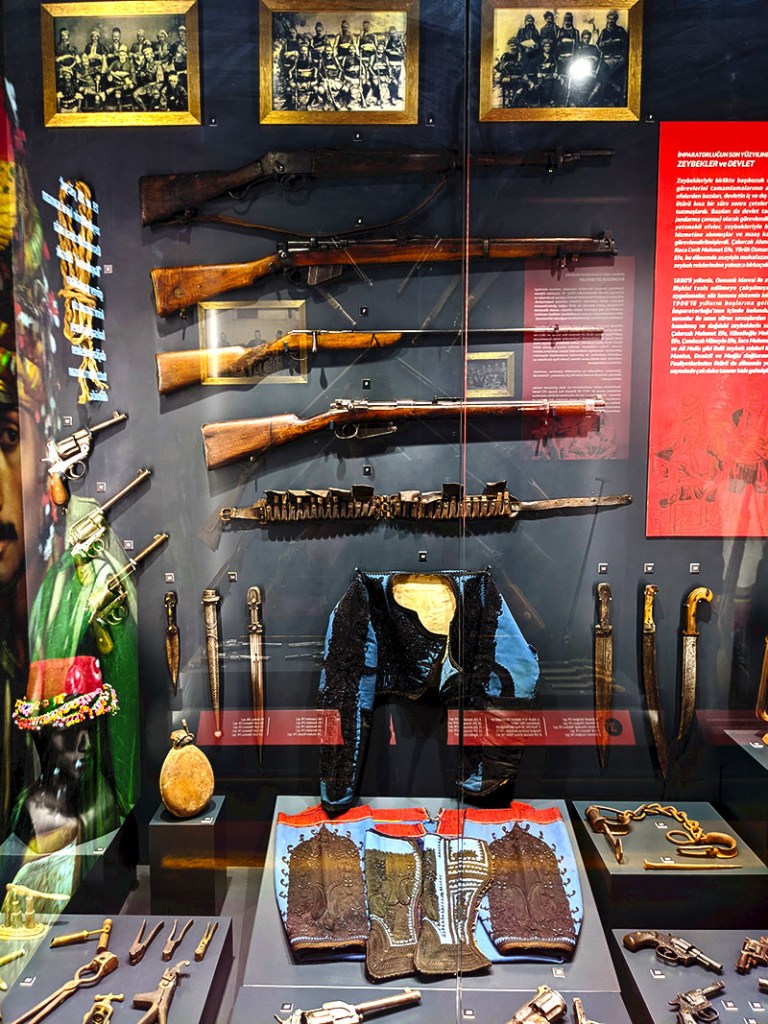
REVIEW OF THE TURKISH NATION: REVOLUTIONARIES NATIONAL
The term Kuvayi Milliye, which means “National Forces”, is a definition used for the irregular armed units and organizational groups formed during the National Struggle Period. These forces are those during the National Struggle, they are structures that engaged in a kind of unconventional war struggle apart from the regular army units, and their administration is not dependent on a central command. The concept of Kuvayi Milliye, which is identified with the National Struggle, is the name of the organization that spent great effort on the road to the liberation of the Turkish nation.
A national awakening had begun in Anatolia against the occupations that have
started after the Greeks landed in Izmir on May 15, 1919. In this process, the reason why the fight against the militia forces, not with the regular army units, was due to the fact that the Ottoman army was largely disbanded in accordance with the Armistice of Mondros. Resistance movements formed with the support of Defense of Rights Associations; It gained strength after the congresses held in İzmir, Balıkesir, Aydın, Manisa, Uşak and Afyonkarahisar. The opening of the Grand National Assembly of Turkey after the Erzurum and Sivas Congresses further increased the support that was given to the turkish revolutionaries.
In the face of the great disaster created by the Greek occupation, many patriots from different sides such as soldiers, governors, district governors, clergy, notables, teachers, merchants, farmers, shepherds and journalists joined forces to among themselves. The basic building block and main striking force of the Turkish revolutionaries in Western Anatolia was undoubtedly the Zeybeks. At that time, the Zeybeks wandering in the mountains that were forming detachments in order to enter a great life-and-death struggle; Amnesty Zeybeks in the villages, on the other hand, took up their weapons, said goodbye to their families and went to the mountains for the last time. Zeybeks, who had been serving in irregular detachments on the fronts for nearly a hundred years, were united this time to defend their own lands and people.

The total number of the Kuvayi Milliye units in Western Anatolia, consisting of groups of 40-50 people, was between 12-15 thousand. Kuvayi Milliye troops; With its limited number of warriors and weaponry, it was the biggest obstacle to the advance of the enemy forces until the regular army was established. In this process; Colonel Mehmet Şefik (Aker), Colonel Bekir Sami (Günsav), Celal (Bayar) Bey, Yörük Ali Efe, Gökçen Hüseyin Efe, İsmail Efe from Mursallı, Demirci Mehmet Efe, Durmuş Ali Efe, Sökeli Cafer Efe, İsmail Efe from Danişment, District Governor İbrahim Famous nationalists such as Ethem (Akıncı) Bey and Asaf Bey showed great sacrifices and heroism.
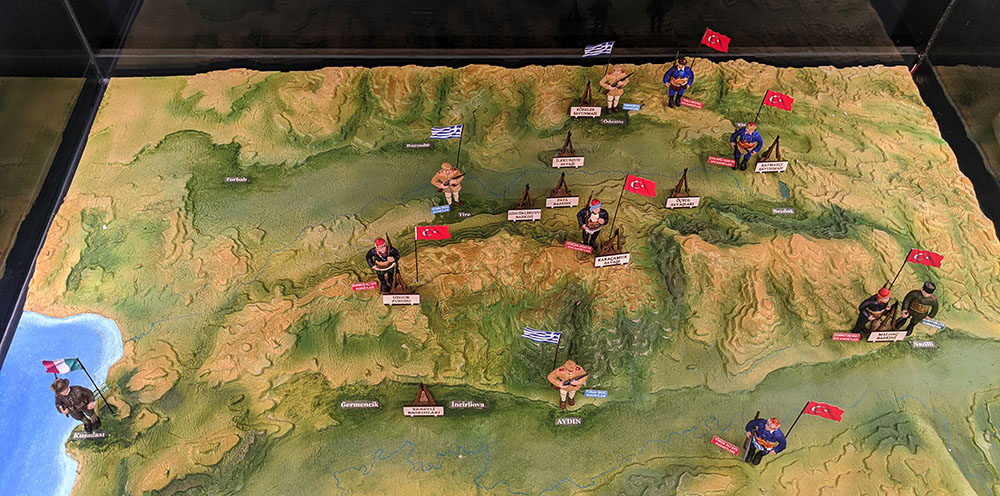
- GREEK PERSECUTION DURING THE YEARS OF OCCUPATION
The Greek occupation, which started in May 15, 1919, lasted about three and a half years. In this process, many Turkish cities; It was devastated by the Greek massacres, torture and arson. Greek Government; From the very first moments of the occupation, it launched a fully systematic “persecution” in order to suppress and neutralize the Muslim-Turkish presence in Western Anatolia. Greek Occupation Command; In many of his actions and practices in Western Anatolia, he went beyond the rules of international law and violated human rights.
Almost all of these developments in the occupation process are within the scope of war crimes and unfortunately, most of what happened in the oppression and the censorship environment of the period could not be recorded. The Greek soldiers; He had committed many unlawful and immoral acts such as murdering, beating, wounding, arson, theft, extortion, plunder, imprisoned without question and exile.
The extent of the murders, on the other hand, had reached levels that could often be described as massacres. So much so, according to the American historian Justin McCarthy; During the War of Independence, approximately 640,000 Turkish civilians were killed by the invading Greek army.
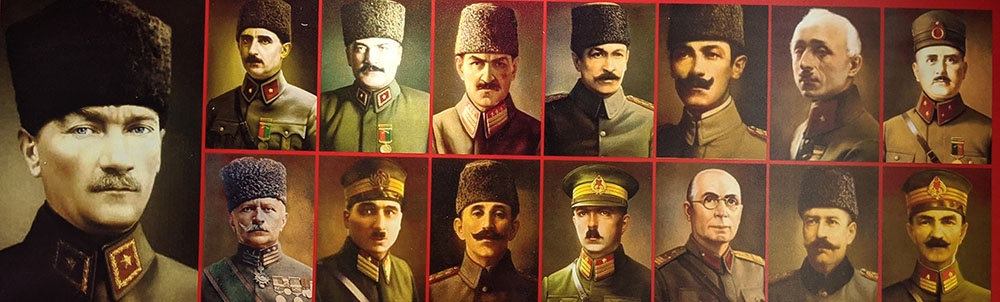
ATATURK AKA PASHA
– Mustafa Kemal Atatürk, or Mustafa Kemal Pasha until 1921, and Ghazi Mustafa Kemal from 1921 until 1934 (c. 1881 – 10 November 1938) was a Turkish field marshal, revolutionary statesman, author, and the founding father of the Republic of Turkey. (Wiki)
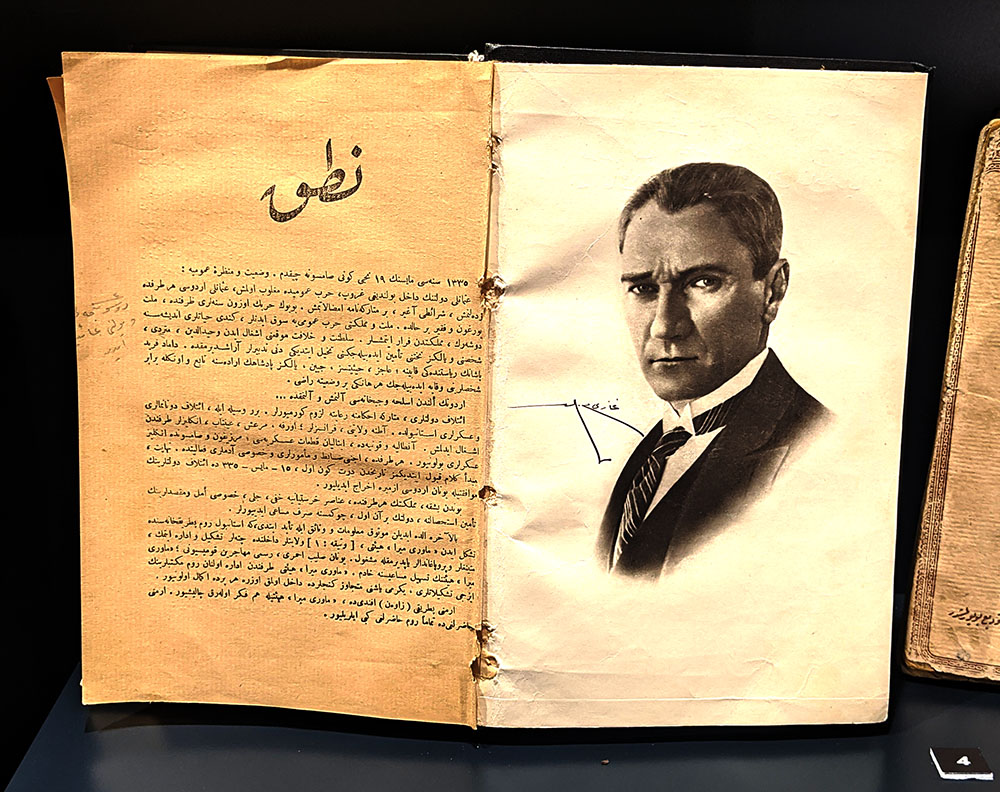
When you go upstairs there’s an impressive collection of Attaturk memorabilia and waxwork dummies. Don’t be confused like me. I was thinking who is this chap they keep on about called Pasha? Pasha was Ataturk’s name originally. Although it’s small it’s a very impressive collection which is perfect for a day out including the larger Kent Museum.
There’s a whole bunch of his bits and a series of photos up the stairwell, one of which where he has distinctly ginger hair and moustache, along with the pale blue eyes he certainly cuts a dash. He must have been quite a looker as well as very charismatic and intelligent. Not surprising he is still so beloved.

Alert: The following is from earlier this year in March. I thought it worth putting together for convenience! However, I will go back and update this too!
MUSEUM IN TIRE (PRONOUNCED ‘TEE-RAY ‘)
From their literature:
“Tire City Museum
Tire City Museum which is in the centre of Tire, was established in 2014 within the municipality of Tire. The Tire City Museum, which was built in 1955 and used as the Tire municipality service building for many years, Thanks to the donations from the people of Tire and everywhere, it has a rich inventory and has become one of the important visiting points of the city.
Ethnographic artefacts, which shed light on the last two centuries of Tire, have made Tire City Museum one of the important museums in the Aegean region.
In addition, the most striking feature of the museum is that it has a special area created with traditional handicraft masters and represents the “Living Museum” mission.”

“Tire is an ancient settlement that has hosted many civilizations throughout its thousands of years of history. In Tire, which showed the success of being a religious and commercial centre before and after the Turkish domination, the historical buildings that are the reflection of this situation have been able to resist time and many of them have survived to the present day with all their glory.
Tire has also buildings that have been from the antique times, especially from the Turkish dominance, also after the 14th century they constructed inns, Turkish baths, molsem seminaries, külliye (complexes), caravanserais, bedestens, basars, water taps and mansion, which make the Tire a unique and historical city.”

Don’t ask me what some of those words are!!!!!
The owner of Degirmen Restaurant took me under his wing yesterday and drove me into Tire to have a quick shop then meet up and have a look around by car. I was exultant to find an organic shop for coconut oil (cold-pressed organic) Essential oils and honey from various flowers. The prices are incredible after ripoff London and in good old-fashioned packaging with no bells and whistles. Herbal remedies and supplements were also on show.
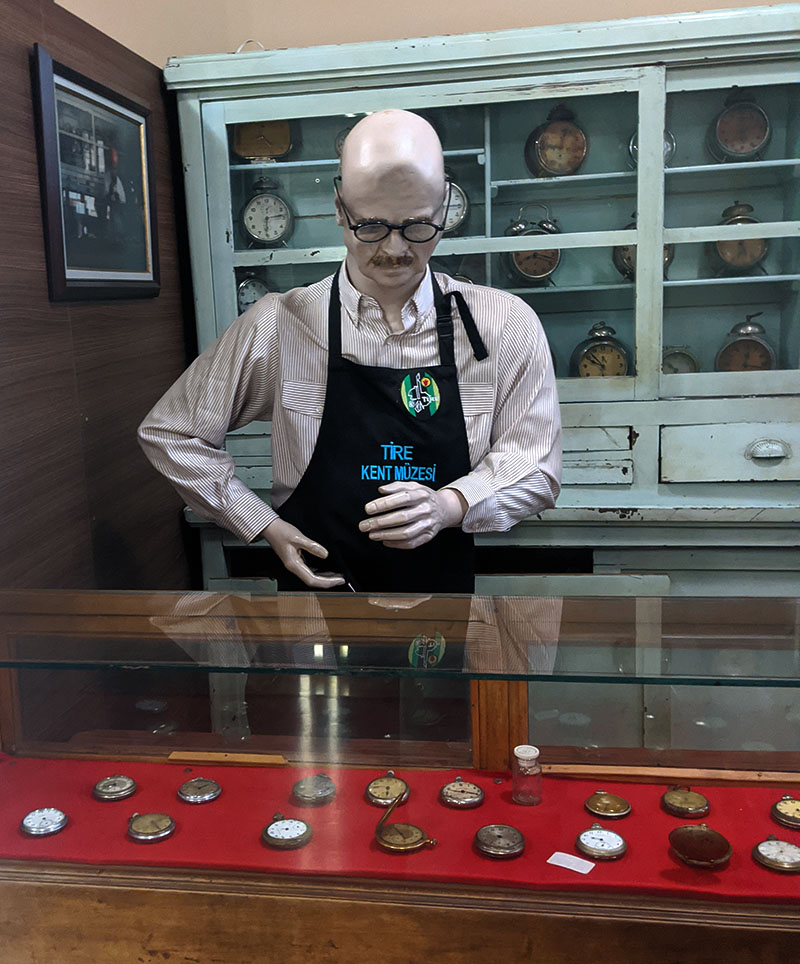
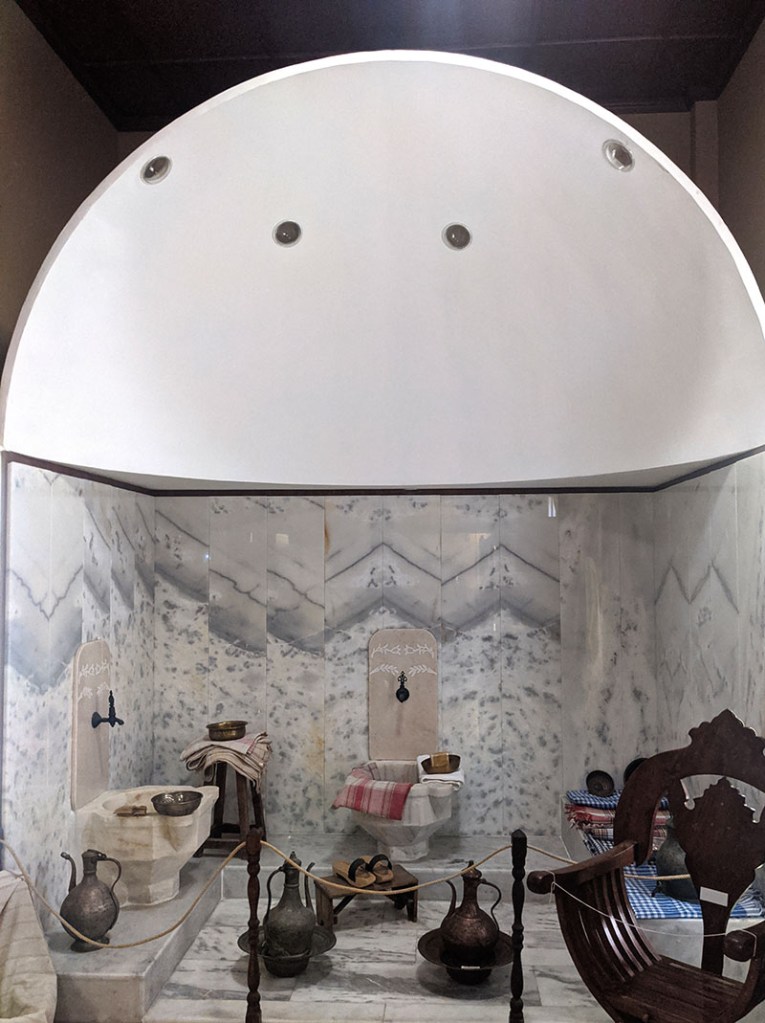
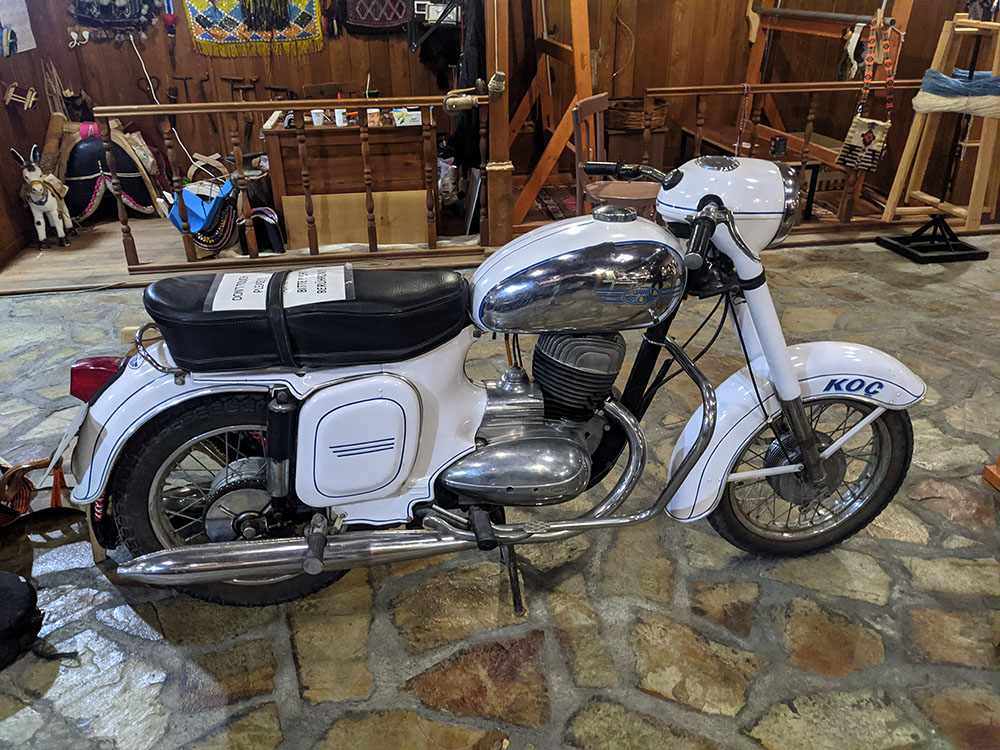
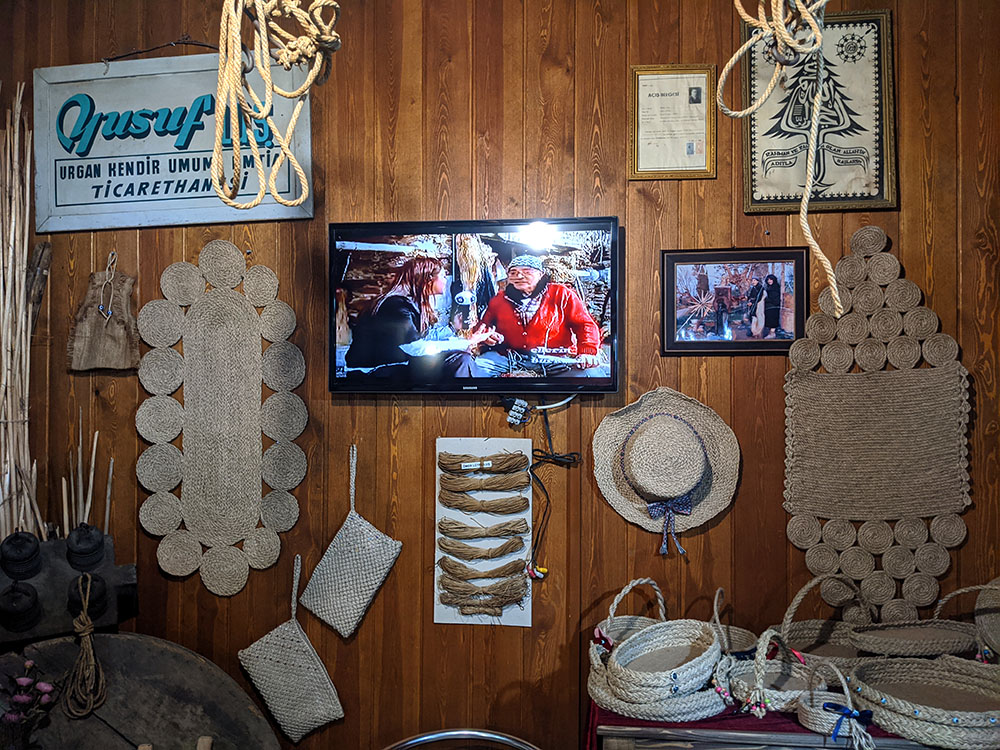
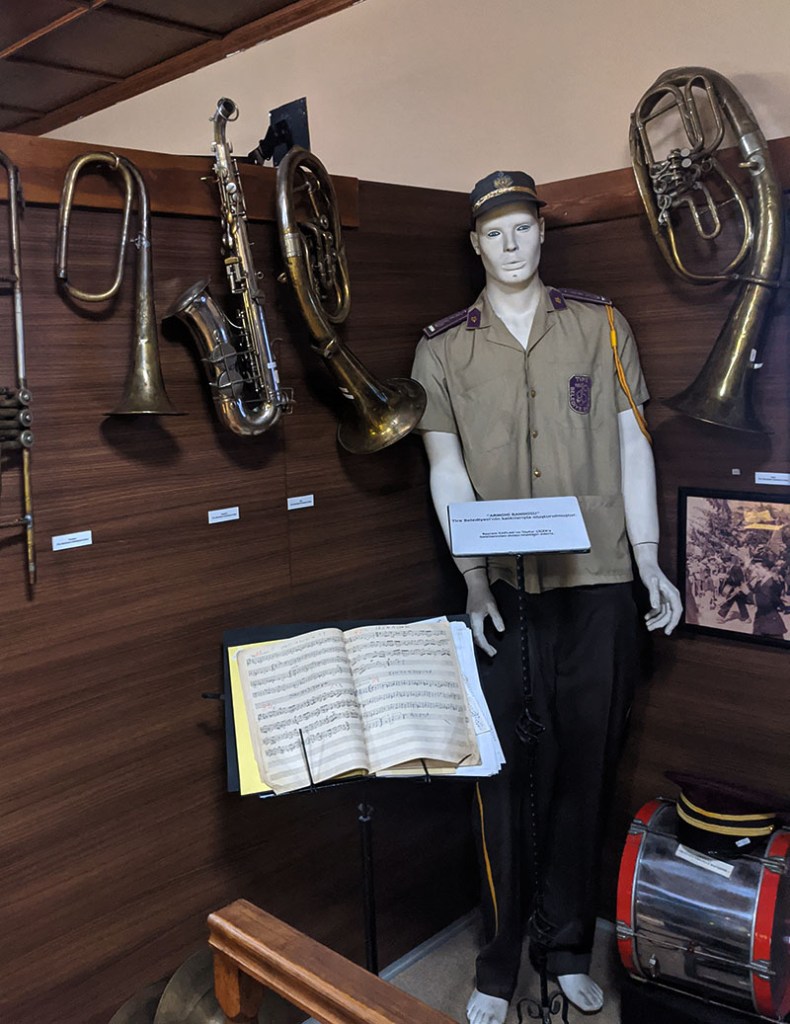
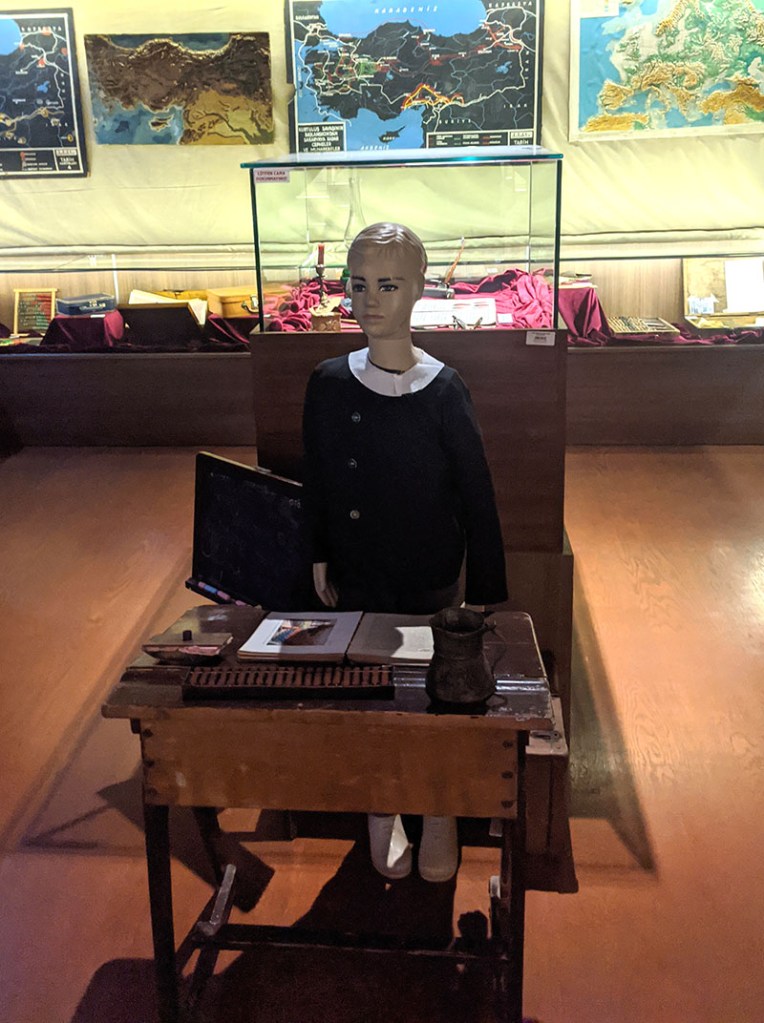

I then had a quick look at the old town and although not market day it has a huge selection of cheapo shops in the labyrinth of small streets so sourced a few bits for future purchases. Then a drove to the top of the mountain for a great view of the town and even an old shepherdess with her small flock of sheep at the very top. After we passed a few of the ancient hammams in the narrow streets of the old Jewish Quarter with its pretty buildings and finally the museum which was the cherry on the cake.
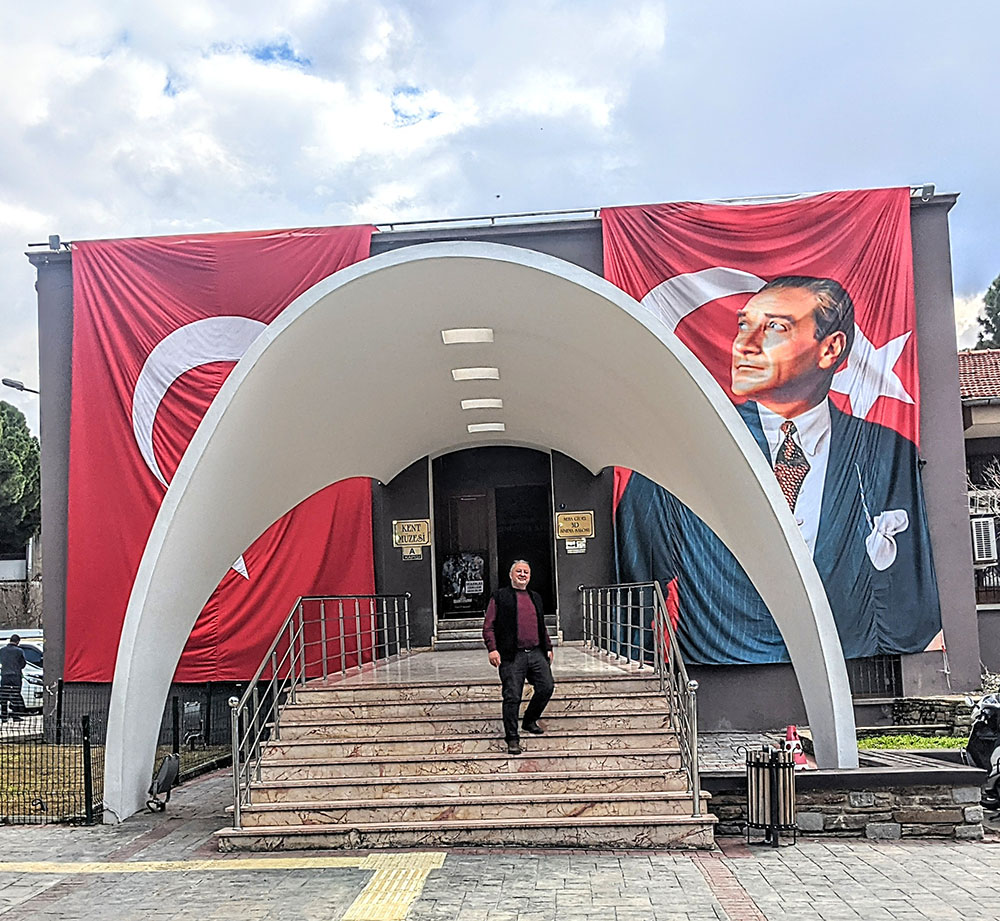
The museum is a lovely mixture of ethnological artefacts with eccentric tableaus involving dummies suitably attired for their particular crafts, and also a living museum with weavers of fabrics, rugs, reed and rope, along with a barber and a quilting specialist.

Showcases of various metalwork including locks and keys and a plethora of weird and wonderful bits from the past entranced me. There was even a mobster-style car alongside a mock-up of a marble interior of a hammam and its accoutrements.

 Old Bird Travels Solo!