
OR A GUIDED AMBLE, RAMBLE, STROLL, STAGGER OR CRAWL.
Due to my laptop being very naughty and freezing every two seconds I will add to this tomorrow but for now, publish and be damned!

Well, I for one am suspicious of the word hike. If I hear someone say it I shrink away. It is a bossy unpleasant word and sounds far too much like hard work to my liking. It sounds suspiciously a word that involves a group of people marching along rather grim-faced and determined and just covering miles rather than breathing in the atmosphere, air and nature. It is the antithesis of a grounding, loving experience rather than a childlike marvel at country surroundings and discoveries to be found all over.
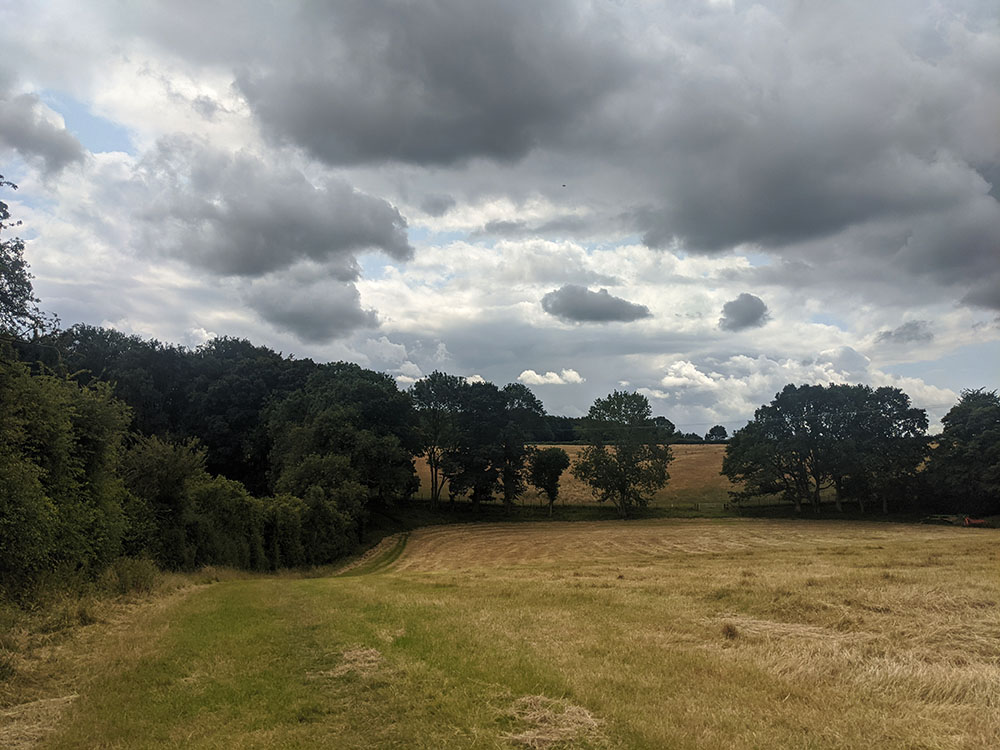
first route through fields
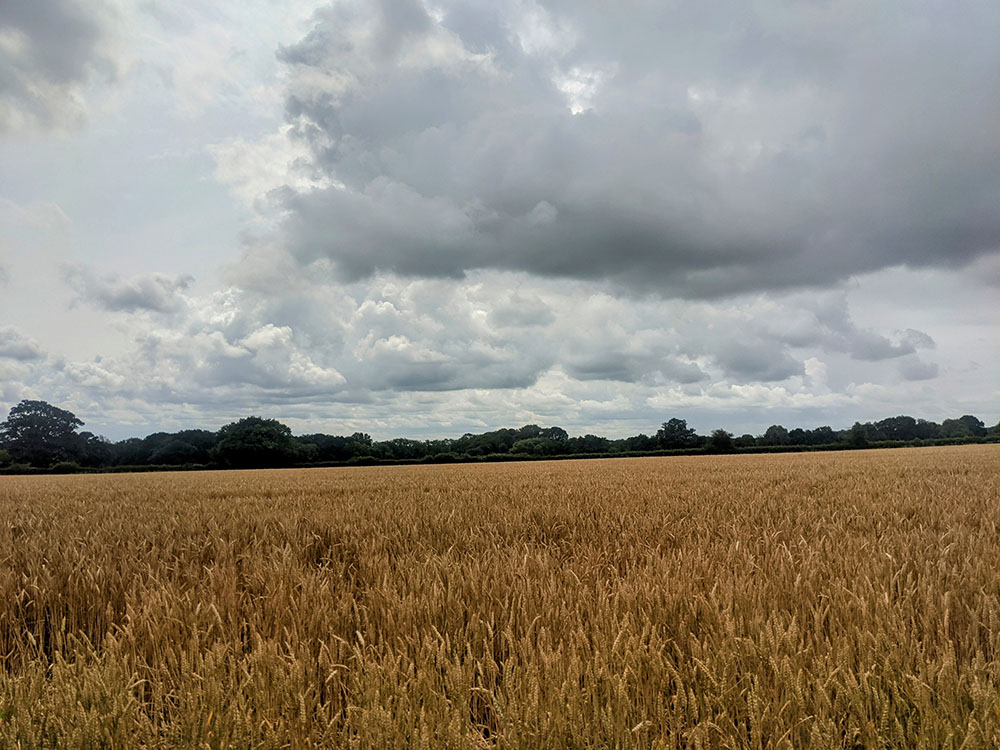
On the first Chesham walk that my friend Daniel organised, with a flurry of ordinance survey maps, was over a lot of the ubiquitous huge fields of GMO pesticide-sprayed wheat, not his fault simply a fact of life now when you go on a walk in a bit of countryside accessible by tube from Central London. This was a good practice run so I could whine on to Daniel that I preferred woodland walks that he organised beautifully for the second walk.

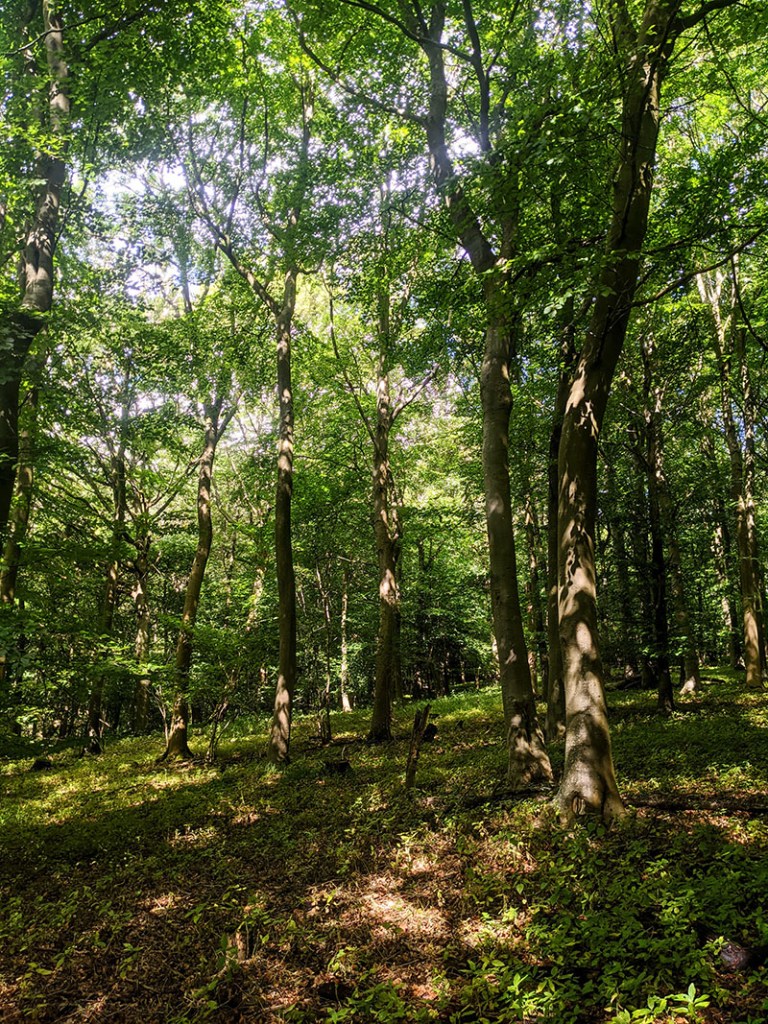
Second route through the woods
I gleaned the information below from the well sign-posted route.
Sarratt Watercress Beds
The chalk-filtered water from the Chess is ideal for growing watercress and this industry flourished along the valley during the Victorian era. Once the Metropolitan Line was built, watercress farms in the Chilterns were able to supply the London hotel trade. [Sadly it’s not actually grown anymore!]
Watercress industry
There were 19 farms along the Chess at the height of the industry. Historically, the stream was diverted into a series of shallow growing beds where the cress roots could take hold in the sediment. Today, the watercress beds are instead supplied with spring water from boreholes that go deep into the chalk aquifer. The mineral-rich water feeds. the plants make watercress a very nutritious and healthy vegetable.
Frank Tyler cutting watercress, in 1933. The watercress beds here at Sarratt have been in the Tyler family since 1886 and were the last working cress farm in the Chilterns.
Terry Tyler continued working the be Is just as his father, grandfather and great-grandfather did before him. Jon took over when his father Terry died in 2014.
In Victorian times, watercress was a staple of the working class diet, often eaten for breakfast in a sandwich. If people were too poor to buy bread, they ate the leaf on its own, which led to it being called ‘poor man’s bread’.
Nowadays, it is considered a ‘superfood’ – by weight, it has more iron than spinach, more calcium than milk and more vitamin C than an orange.

CHESS VALLEY WALK
A kingfisher must eat its body weight in fish each day. That’s around 16 minnows! They will also supplement their diet with aquatic invertebrates.
If you are lucky, you may catch a glimpse of the bright blue of a kingfisher sitting on a post; an ideal place for a bit of fishing. They prefer slower-moving parts of the river, where they wait for small fish such as stickleback or minnow.
The kingfisher dives into the water with an open beak, but closed eyes – what amazing skill to catch a fish -effectively blindfolded! It will then strike the fish against a branch to kill it and swallow it head first.
Chesham Ecosystem engineers
The wet, marshy margins of chalk streams are ideal for a range of wetland plants. These plants are hugely important to the stream’s health and function. As flow begins to decline in the summer, plants grow into the river channel helping to maintain water depth, keeping it flowing swiftly and the gravel bed clean. This benefits other wildlife such as fish and invertebrates that live in the river. In winter, as groundwater levels begin to rise, plants die back allowing more space for the increasing flow.
FROGMORE MEADOW A traditionally managed lowland meadow

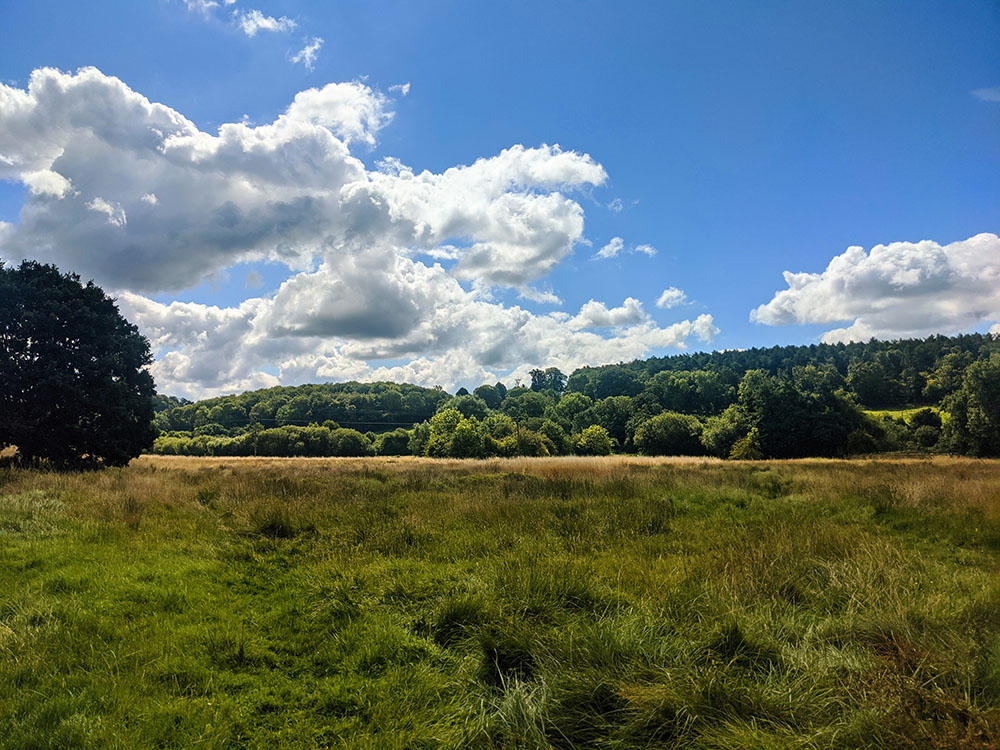
Frogmore Meadow Nature Reserve is a beautiful example of a lowland
meadow that is managed by Herts and Middlesex Wildlife Trust using traditional
methods. With a team of volunteers, the Trust works throughout the year to make sure that Frogmore Meadow is a haven for wildlife.

Make Hay While the Sun Shines
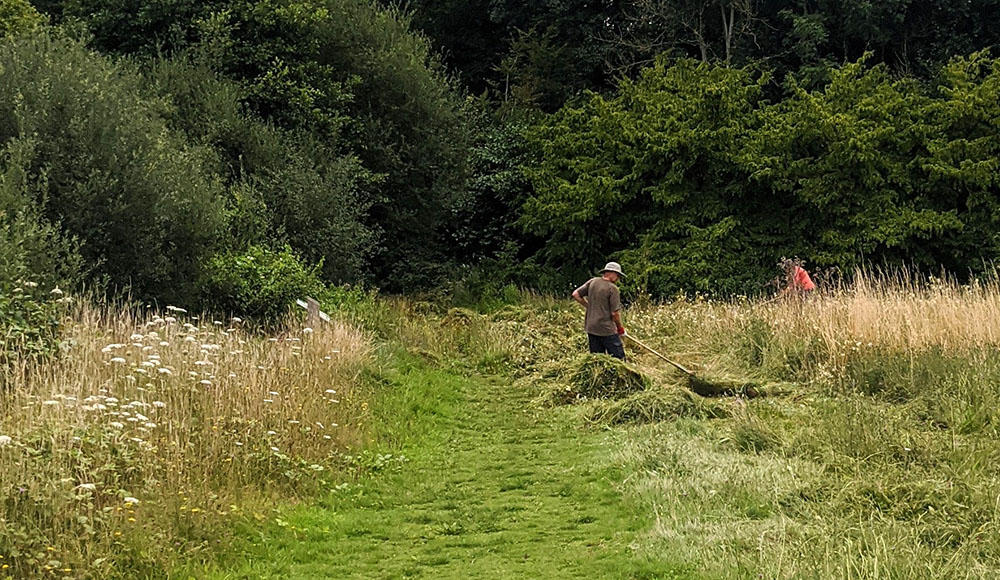
Haymaking is an important part of the conservation of Frogmore Meadow. The grass is cut in late July after most of the flowers have set seed. Over the following days, the ‘cut grass is turned daily to ensure that it dries out evenly.
Once the cut grass has dried, it is raked and removed from the meadow. The grass is then compressed into tight bales which are valuable and nutritious winter fodder for the Trust’s flock of sheep. Only half the meadow is used to make hay, the rest is left as the long grass provides good habitat for amphibians, small mammals and insects. The areas are cut on rotation each year.

Wonderful Wildflowers
The traditional management of Frogmore Meadow means that there is a huge diversity of flowers and grasses such as fen bedstraw, Devil’s-bit scabious and betony.
In the summer Frogmore Meadow is a mass of beautiful wildflowers which are an important food source for many nectar-feeding insects like bees and butterflies.
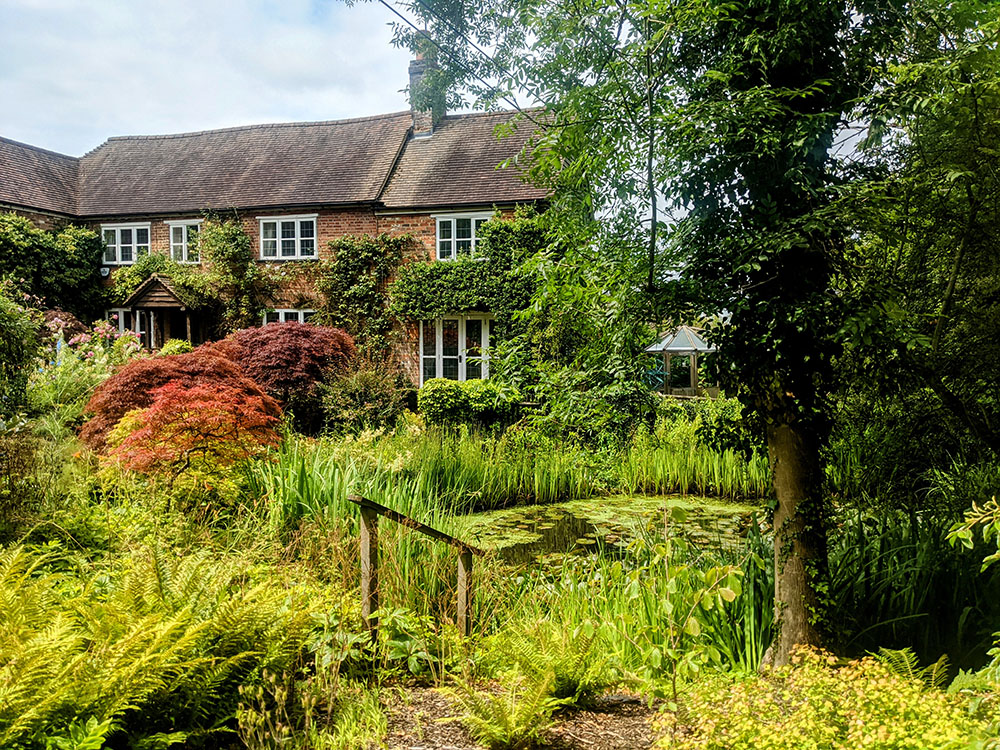
Living lawnmowers
The next important stage of meadow management is grazie this is traditionally done after August 1st a custom which goes back to medieval times.
On dry meadows, sheep are often used to graze. but on wetter land more cattle are used to graze. This removes regrowth before the grasstop growing in the autumn.
Grazing is also beneficial as animal hooves lightly break up the ground the thatch of dead grasses creating bare land for seeds to germinate. The animals kept off the meadow in the autumn to allow grass to rest and eventually regrow the following spring
@HMWTBadger
hertswildlifetrust
http://www.hertswildlifetrust.org.uk
FROGMORE MEADOWS A rare lowland meadow rich in wildflowers.
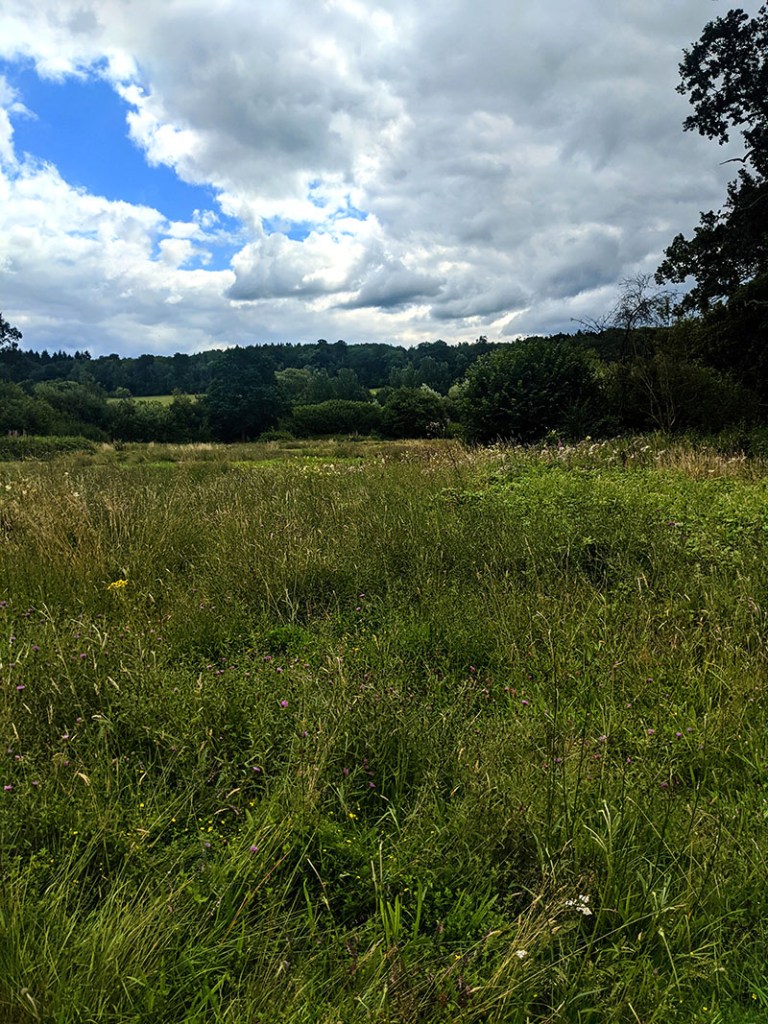
Welcome to Frogmore Meadows Nature Reserve. These meadows are traditionally managed by Herts and Middlesex Wildlife Trust and are a beautiful example of a lowland meadow.
Frogmore Meadows supports a good range of grasses and meadow flowers such as yellow rattle, ragged-robin and betony which in turn provide food for an array of butterflies and bees. Listen out for warblers such as whitethroat and look above for red kites, buzzards and kestrels soaring in the sky above

CHESS VALLEY WALK
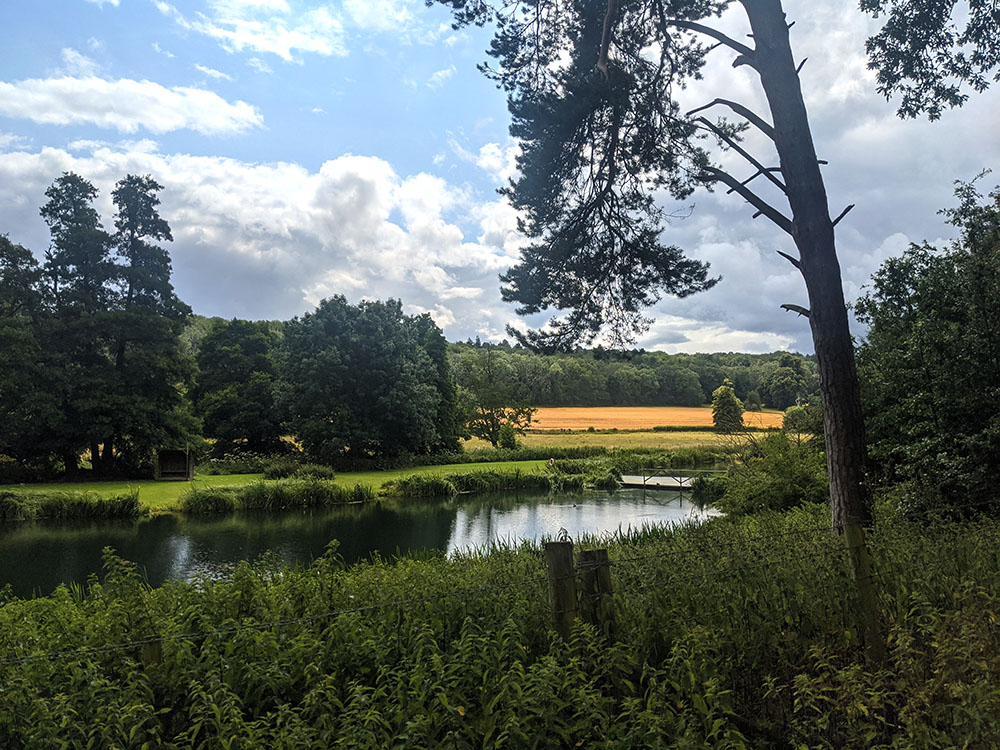
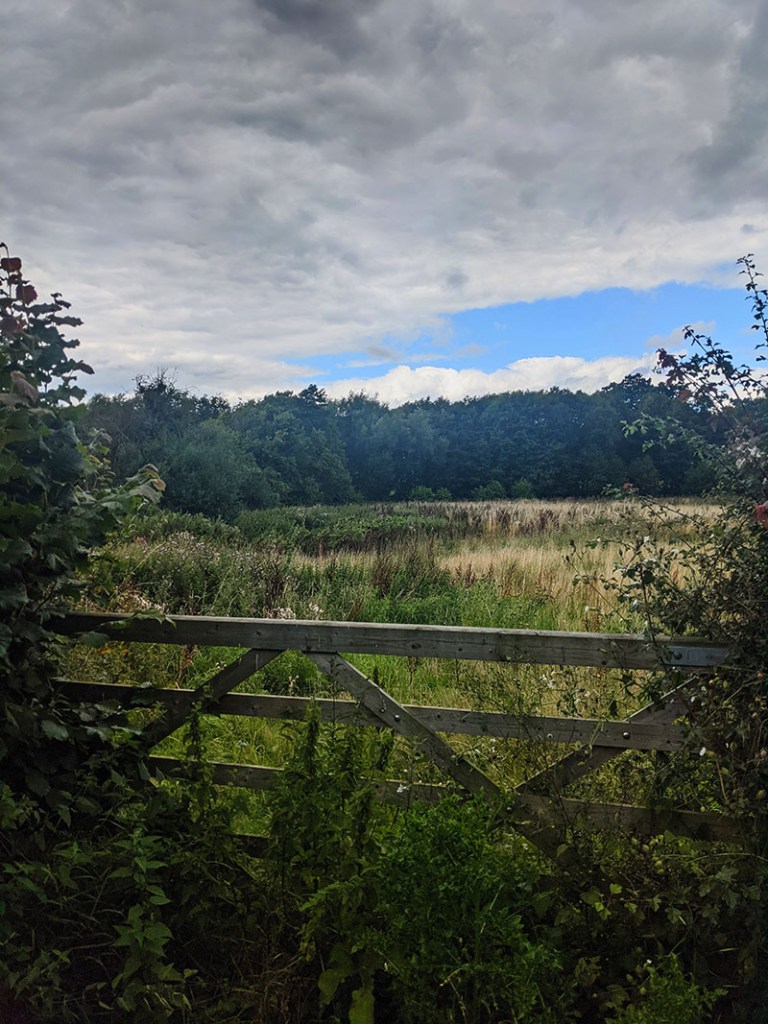
The fields in front of you used to be flooded via a system of ditches and streams to improve them for grazing. This practice of ‘floating’ water meadows began in the late 1500s. Once widespread in the chalk stream valleys of southern England, it was rare in the Chilterns. These here at Chenies Bottom are unique in Buckinghamshire. [the workers were worryingly called ‘drowners’]
The damp meadows provide an ideal habitat for a large range of insects, making these attractive areas for many birds, such as stonechats. They can be seen in both summer and winter.
Dodd’s Mill
The first mention of a mill here was in the 12th century. Originally called Cheneys (Chenies) Mill, it was owned by the Cheney family, Lords of the Manor. It was built to grind corn for flour but for a short time, it was a fulling (cloth processing) mill.
Around 1740, the Dodd family became tenants and during their 140 years at the site, they carried out both corn milling and papermaking. By 1798, there were 11 papermakers in Chenies. However, the development of industrial-scale paper manufacturing, and the coming of the railways, reduced profitability and by 1861 the site was once again a flour mill. In 1933, the mill was finally closed. The granary and miller’s house still survive and have been renamed Dodd’s Mill in recognition of the family’s long association with the mill.
The water meadows here and just upstream of Dodd’s Mill were created in the early 19th century by George Dodd, a tenant of the Duke of Bedford.
Flooding, known as floating, was carried out by workers called ‘drowners’. They added boards to the sluice, raising the river level to divert water along the header channel into the floater channels.
The water would trickle down the slopes of the ridges into draining furrows, and return back to the river along the main drain. Floating the water meadows helped increase the productivity of the land. By floating the meadow in winter, Mr Dodd could grow an early crop of grass that his sheep could graze between March and May.
After selling the sheep at market, he could then float the meadow again and harvest a crop of hay in June and repeat the process for a second crop in late summer. Barn owls are often sighted here, particularly at dusk.
Water meadows provide important winter feeding grounds for jack snipe. Meadowsweet is a characteristic species of water meadows. Its old name was Mede-sweete a reference to its use in flavouring mead, the Anglo-Saxon drink made from fermented honey.
The Walks
As both walks were quite different it’s safe to say keeping to the route with a couple of tweaks will give you enough variation to keep it interesting. For me, I preferred the frolic I had in the woods searching for fungi and the wonderful dappled light through the myriad of greens these ancient woods provide.

Research through this link: https://amershammuseum.org/history/research/wars/latimer-house/
We actually had a deer making its way through the upper part of Baldwin Wood while I dawdled around smelling at that earthy aroma emanating from the woodland floor. We walked for miles without stopping which I loved but didn’t love me the next day. My body ached all over, it was very unusual for me but I put it down to, well, being a little unfit after the last couple of weeks sulking in my boudoir. My companion said the same and was distressed there weren’t benches along the way.
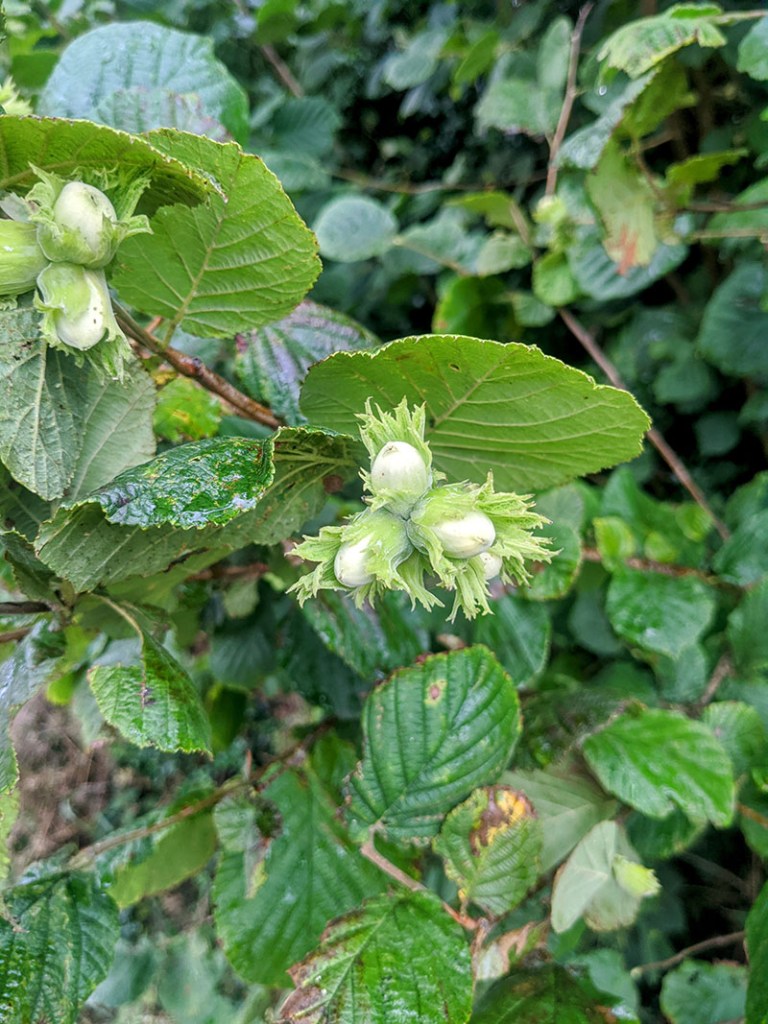
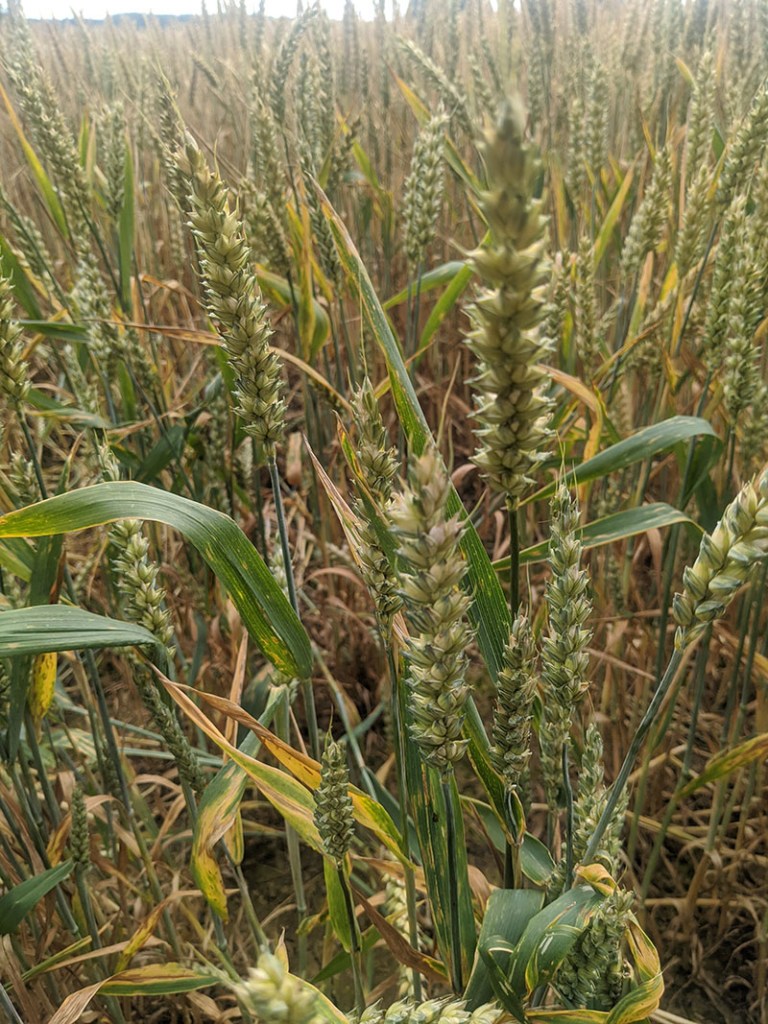

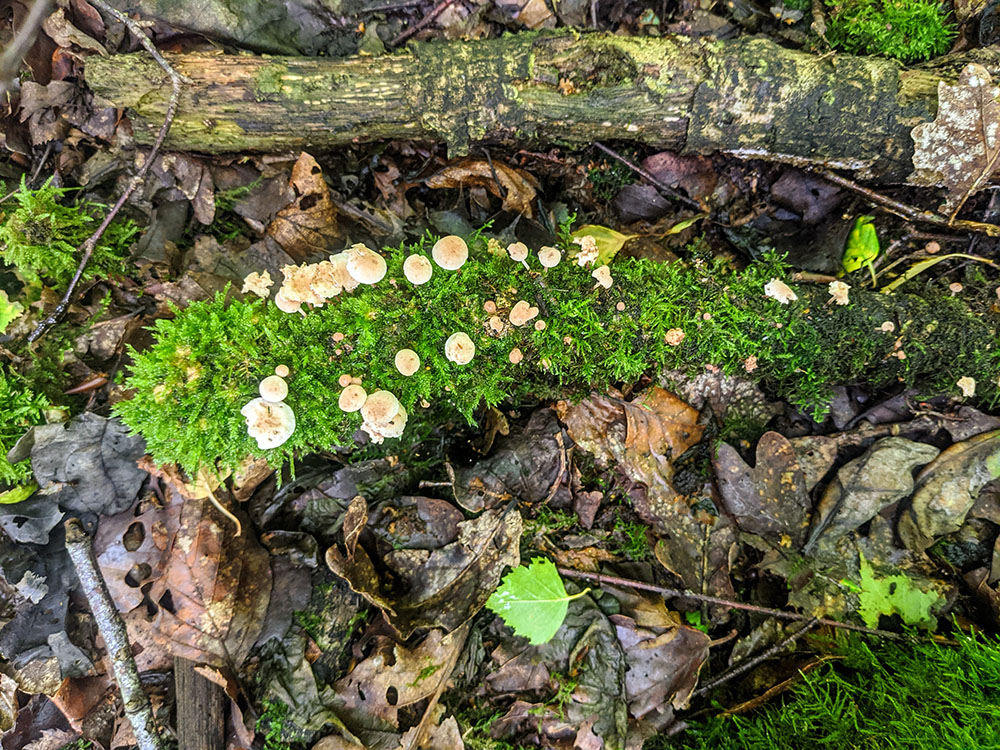
On both walks, I had a chance to forage and nibble my way along with blackberries, cob nuts and even a damson tree had started to drop its wild small and tasty precursor to the plum. All the mushrooms were past it sadly so nothing in my goody bag, just remnants of good mushrooms and only poisonous fungi left over. There were some fine lichen specimens however which I had just been reading about in my fabulous book ‘Entangled Life’ by the fabulously named Merlin Sheldrake.
Finally, we sat, or rather collapsed in a sunny spot, me on the ground with my bare dirty feet and Daniel on a branch as he’s not keen about getting mucky like I am! I was starving and tucked into my spag bol, which later would lead to my downfall as it sat leaden in my belly for the rest of the walk. Pasta is meant to have a siesta after!
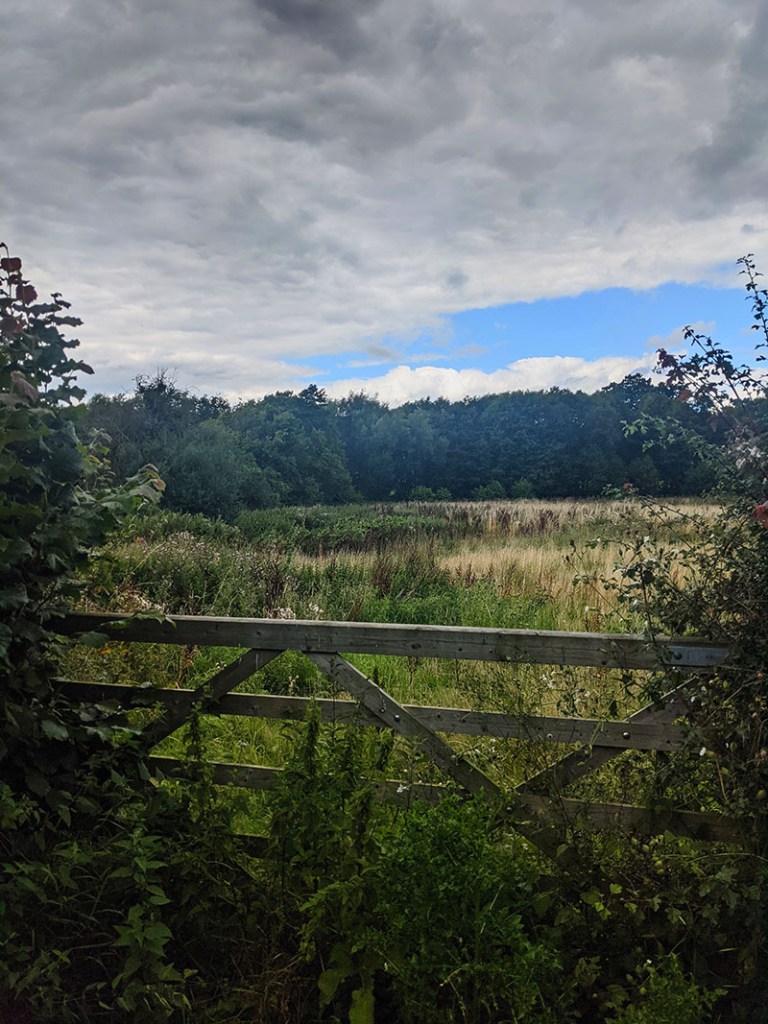
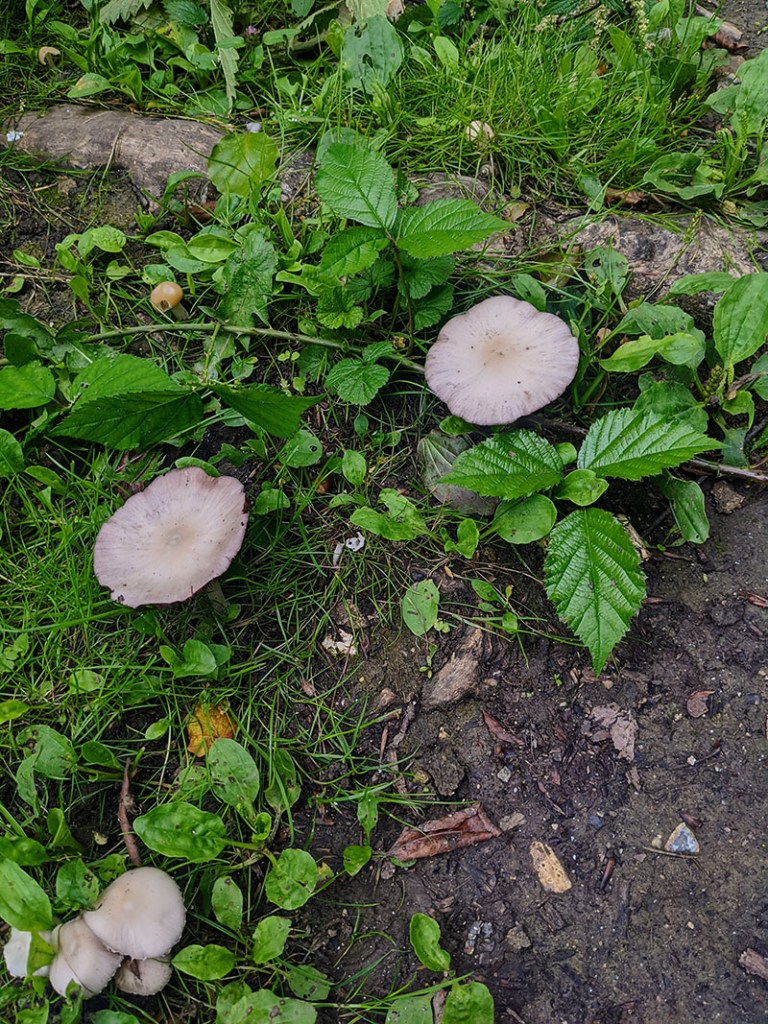
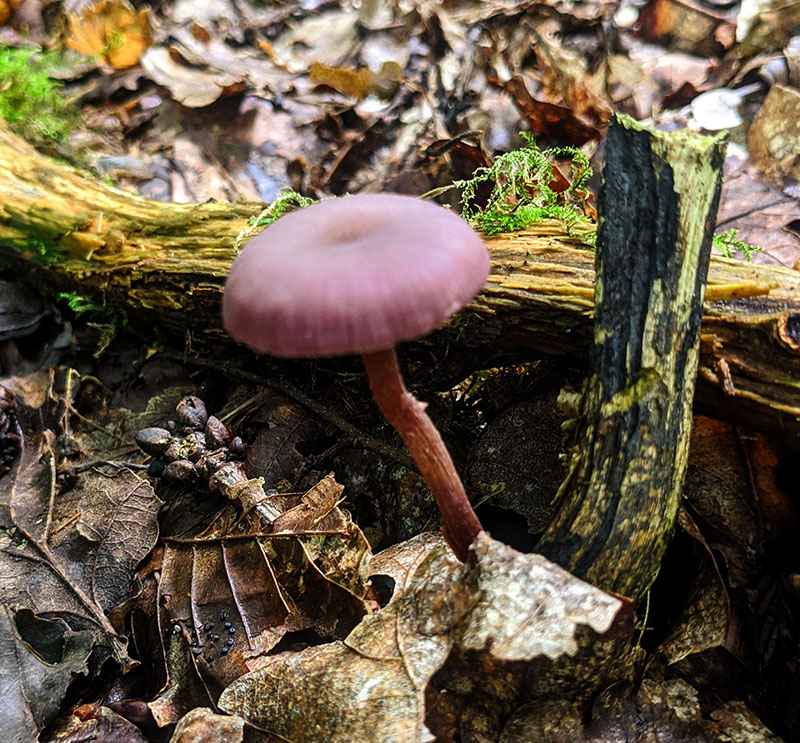
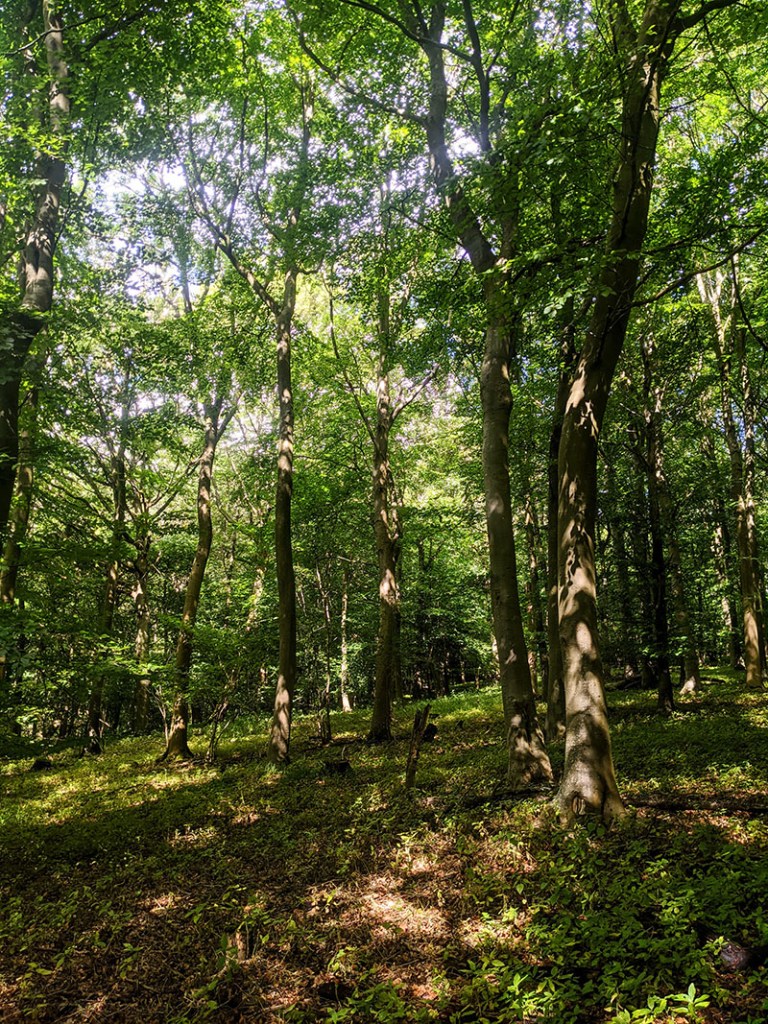
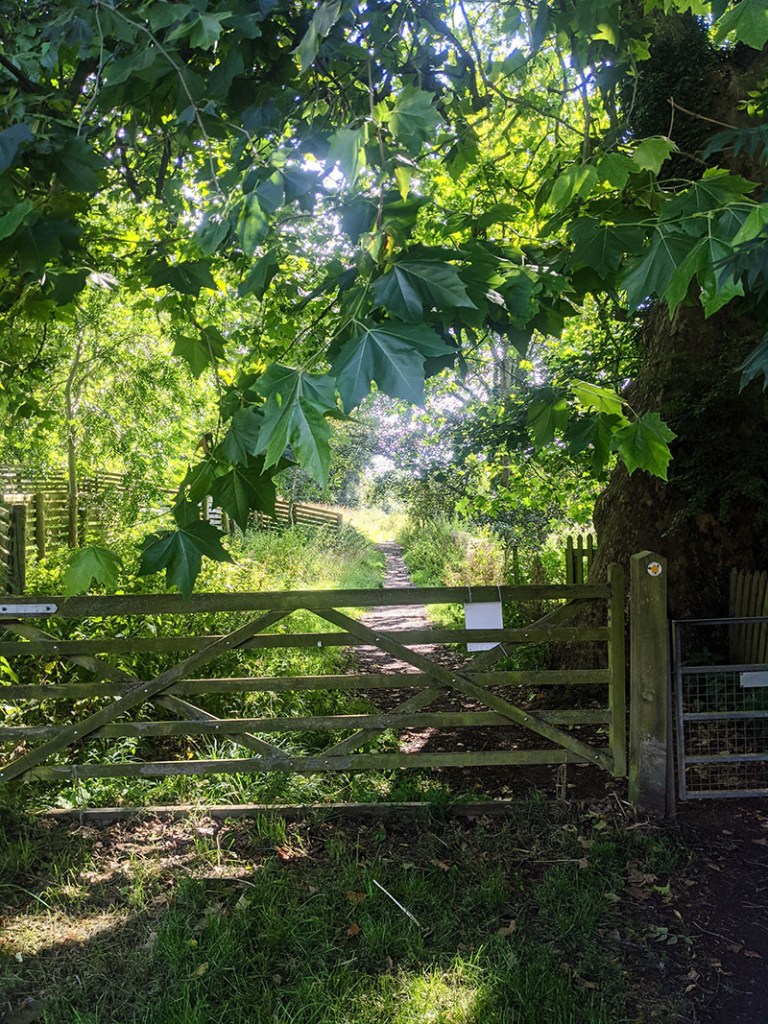
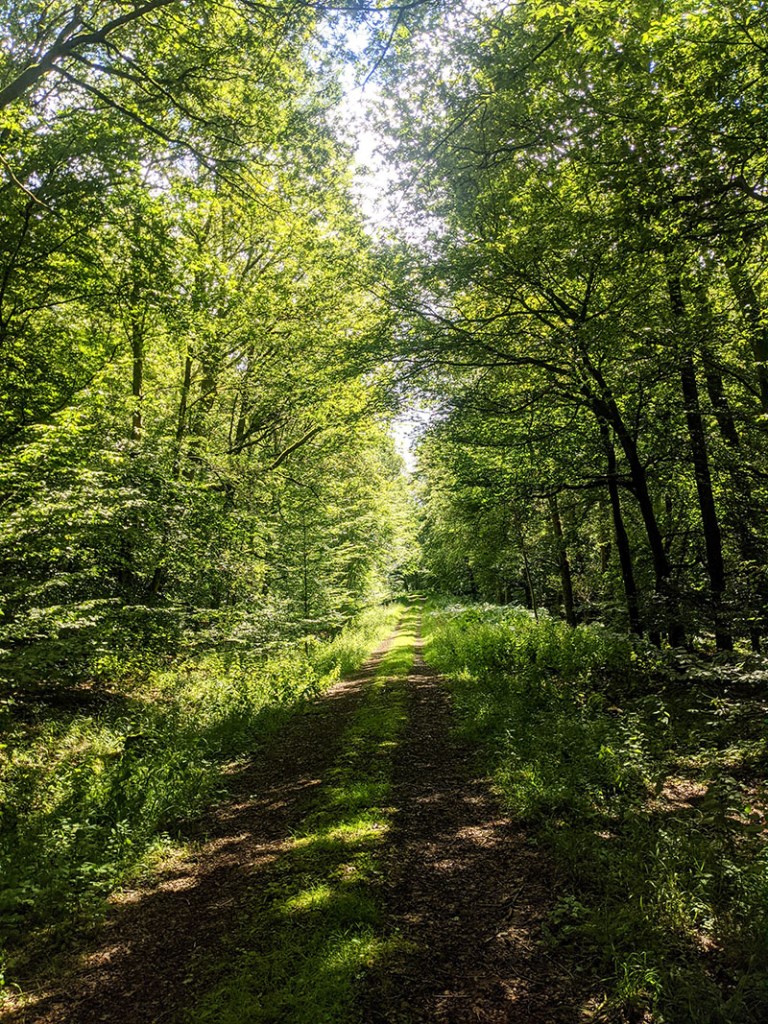
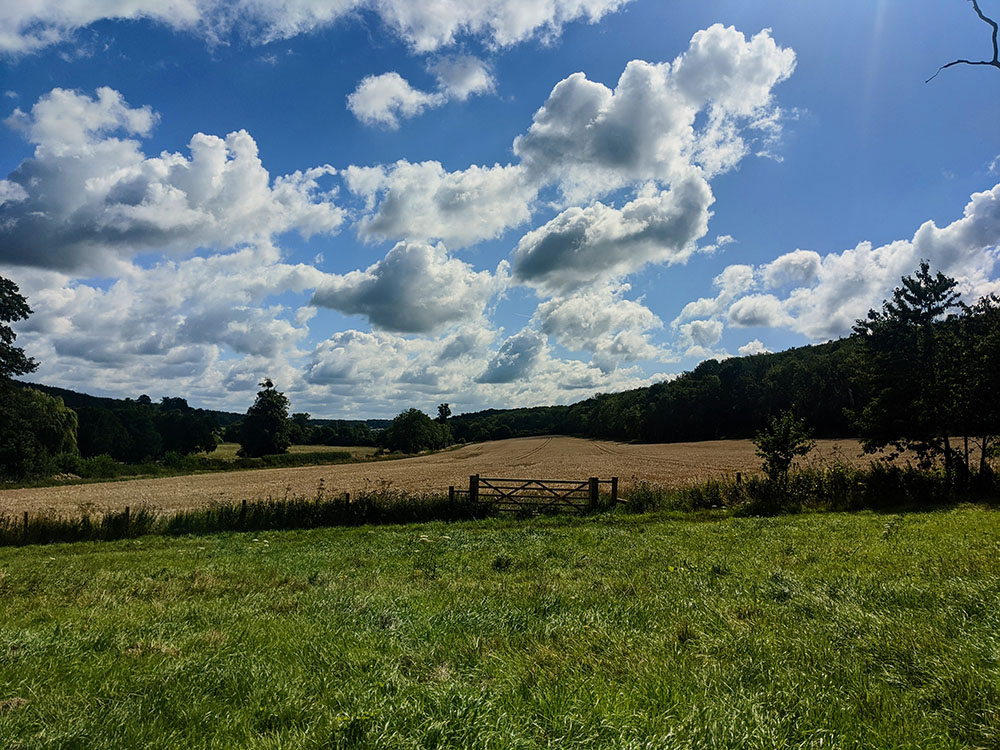
Daniel did collapse to the ground at the end of the walk midfield as our final grand gesture to the big sky and travel weariness. We crashed there a while and very beautiful it was too. I feel there has to be a couple of throw yourself on mother earth moments in these much-needed refresher days in the outer London countryside. Just gaze at the sky and breathe, let nature reive you.

 Old Bird Travels Solo!